
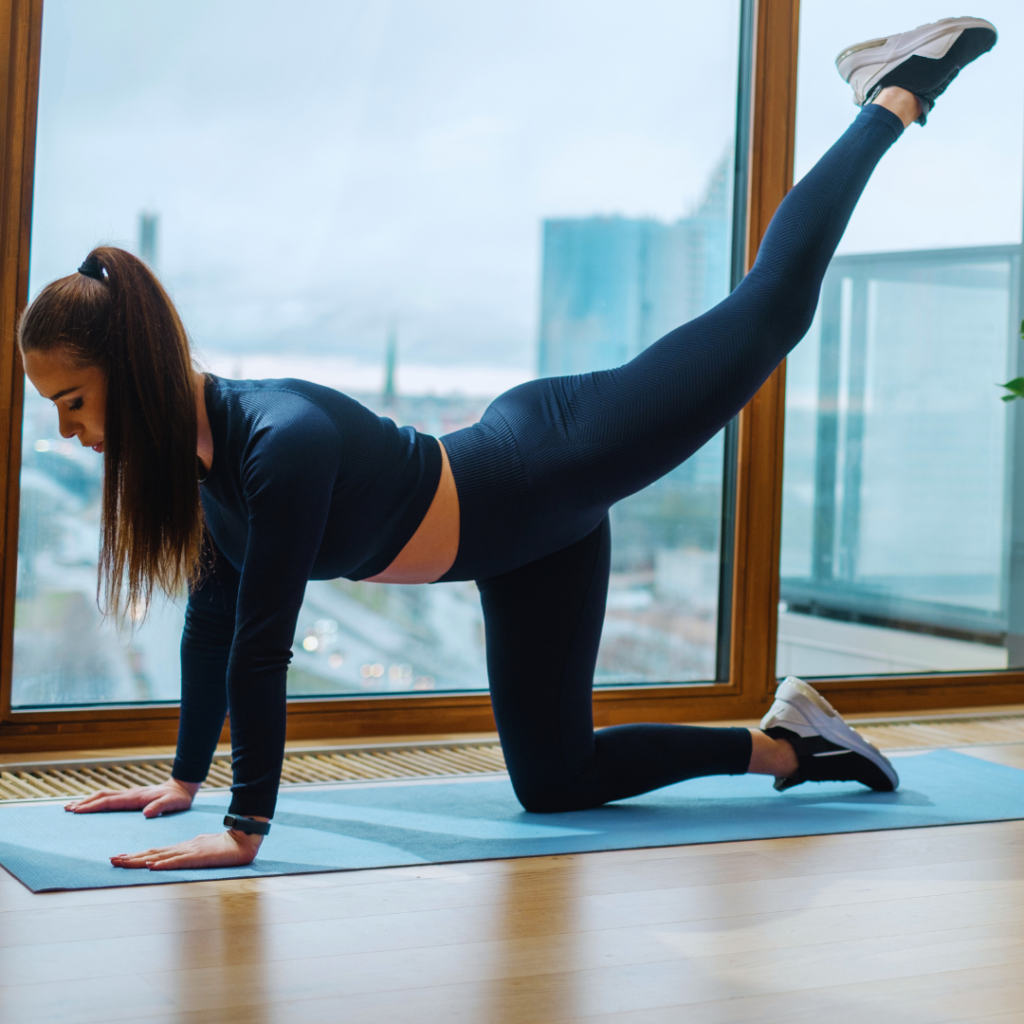
Bodyweight exercises offer a highly effective means of engaging in physical activity without the need for gym equipment. They can be conveniently performed at home, making them suitable for those with busy schedules or limited space. Incorporating these exercises into a fitness routine not only strengthens muscles but also enhances overall cardiovascular health and flexibility.
The beauty of bodyweight workouts lies in their versatility. Individuals can easily modify exercises to suit their fitness levels, from beginners to advanced practitioners. This adaptability encourages consistent engagement and helps maintain motivation over time.
Additionally, bodyweight exercises require minimal equipment, providing an accessible option for anyone looking to improve their fitness from the comfort of home. With a range of movements that can target different muscle groups, these workouts help in building strength and endurance effectively.
Key Benefits of Bodyweight Workouts
Bodyweight workouts offer numerous advantages that can significantly enhance overall fitness. These exercises prioritise natural movements, promoting both strength and flexibility while improving endurance and coordination. Here are the key benefits.
Boosted Fitness Levels and Endurance
Bodyweight exercises, such as push-ups and squats, provide an effective full-body workout that elevates cardiovascular endurance. Engaging in high-repetition routines can lead to increased heart rate and improved stamina over time. This form of exercise not only challenges muscular endurance but also enhances the body’s ability to perform everyday tasks more efficiently.
Incorporating a variety of movements allows individuals to experience functional strength. This strength translates to better performance in daily activities, reducing fatigue and improving overall fitness levels. As fitness improves, the ability to sustain prolonged physical activities increases, making bodyweight training an essential component of an effective workout regimen.
Enhanced Flexibility and Mobility
Regular bodyweight training fosters enhanced flexibility and mobility through dynamic movements that involve multiple joints. Exercises like lunges and dynamic stretches encourage greater range of motion, which is vital for overall physical health. Increased flexibility can alleviate muscle tension and reduce the risk of injuries during other physical activities.
Improved mobility also benefits athletic performance. It enables individuals to execute movements with greater efficiency and control, making everyday tasks easier. This focus on natural movements in bodyweight workouts can lead to better posture and alignment, further contributing to overall well-being.
Strengthened Muscle Mass and Strength
Bodyweight workouts effectively build muscle mass and strength without the need for external weights. Traditional exercises, such as pull-ups and planks, engage multiple muscle groups simultaneously, promoting balanced muscle development. As a result, the body adapts by increasing muscle strength and endurance over time.
In addition to muscle development, these exercises are an excellent way to stimulate the neuromuscular system. This stimulation enhances muscle coordination and recruitment, leading to greater functional strength. The continuous adaptation of muscle fibres during bodyweight training contributes to improved muscle performance.
Improved Balance and Coordination
Balance and coordination are critical components of physical fitness that can be developed through bodyweight exercises. Movements like single-leg squats and lateral lunges challenge stability and require the body to engage core muscles, which support posture and alignment.
As individuals progress in their training, they often notice a marked improvement in their ability to maintain balance during dynamic activities. Enhanced coordination not only aids in athletic performance but also increases safety during day-to-day tasks. Better balance helps prevent falls and injuries, particularly in older adults, making bodyweight workouts a valuable addition to fitness routines.
Core Components of an Effective Bodyweight Routine
An effective bodyweight routine incorporates fundamental exercises, progressive overload techniques, integration of high-intensity interval training, and essential compound movements. Each component plays a vital role in developing strength, endurance, and overall fitness without the need for equipment.
Fundamental Exercises
Fundamental exercises form the backbone of any bodyweight routine. Squats, push-ups, lunges, and planks are integral for building strength and enhancing muscle endurance.
- Squat: Targets the lower body, particularly the quadriceps and glutes. It can be modified by changing the depth or position of the arms.
- Push-up: Primarily works the chest, shoulders, and triceps. Variations can increase or decrease difficulty.
- Lunge: Engages multiple lower body muscles and improves balance. Advance by adding jump lunges or varying the step length.
- Plank: Focuses on core stability and strength. Duration and elevation changes can create a progressive challenge.
These exercises ensure a well-rounded approach to fitness for both beginners and advanced practitioners.
Progressive Overload and Modifications
In bodyweight training, progressive overload is crucial for continued improvement. This means consistently pushing the body beyond its comfort zone.
- Increase the number of repetitions or duration of exercises over time.
- Introduce variations that increase difficulty, such as explosive push-ups or single-leg squats.
- Modify exercises to maintain form while increasing intensity.
This approach ensures the body adapts and grows stronger, no matter the fitness level. Beginners can start with basic versions and progress to more challenging movements as their strength develops.
Integration of High-Intensity Interval Training
High-Intensity Interval Training (HIIT) can be seamlessly integrated into a bodyweight routine. This method combines short bursts of intense exercise with rest periods.
- Effective HIIT bodyweight exercises include squat jumps, burpees, and mountain climbers.
- A typical structure might involve 20 seconds of work followed by 10 seconds of rest, repeated for several rounds.
HIIT not only burns calories efficiently but also improves cardiovascular fitness and muscle endurance. This integration enables varied and exciting workouts without the need for equipment.
Importance of Compound Movements
Compound movements are essential for maximising efficiency in bodyweight workouts. These exercises engage multiple muscle groups simultaneously.
- Movements such as push-ups and squats not only work specific areas but also promote functional strength.
- This leads to improved performance in daily activities and sports.
Utilising compound exercises fosters better coordination and increases workout intensity. This approach supports overall fitness goals, making it an attractive option for those looking to challenge themselves at home.
Maximising Results from Home Workouts
To achieve optimal results from home workouts, it is essential to focus on a structured approach. Prioritising consistency, tailoring workouts to specific fitness goals, utilising available resources, and adding variety can significantly enhance effectiveness.
Establishing a Consistent Fitness Routine
A consistent fitness routine is fundamental for long-term success. He or she can set specific days and times for workouts, creating a habit that fosters accountability.
Incorporating bodyweight exercises such as squats or push-ups into daily routines can improve core stability and functional fitness. Keeping a workout log can also help track progress and maintain motivation.
Tips for Consistency:
- Schedule workouts like important appointments.
- Choose a designated workout space free from distractions.
- Set realistic goals to avoid burnout.
Customising Workouts to Fitness Goals
Tailoring workouts to individual fitness goals enhances results. Whether aiming to improve strength, flexibility, or endurance, personalised routines help target specific areas.
For example, if the goal is to improve posture, incorporating exercises like planks and yoga can be beneficial. Adjusting intensity, sets, and repetitions helps accommodate varying levels of fitness.
Personalisation Strategies:
- Identify specific goals (e.g., muscle gain, weight loss).
- Use modifications to accommodate fitness levels.
- Reassess and adjust goals regularly.
Leveraging Expert Advice and Online Resources
Utilising expert advice and online resources can provide valuable guidance. Many certified personal trainers offer workout plans and videos that detail proper form and modifications.
Websites and apps featuring fitness communities can motivate individuals through shared experiences. These platforms often provide access to a variety of routines, catering to different fitness levels.
Resource Suggestions:
- Online fitness courses focusing on bodyweight exercises.
- YouTube channels dedicated to home workouts.
- Fitness apps that track progress and offer challenges.
Incorporating Variety and Challenges
Adding variety and challenges to workouts can prevent monotony and maintain engagement. This can include alternating exercises regularly to target different muscle groups or increasing workout intensity.
He or she can integrate interval training or circuit workouts to boost metabolism and enhance overall fitness. Incorporating yoga as a complementary practice can also improve flexibility and recovery.
Ideas for Variety:
- Alternate between strength, cardio, and flexibility workouts weekly.
- Set challenges, such as completing a certain number of burpees in a minute.
- Try new forms of exercise to keep routines fresh and exciting.