
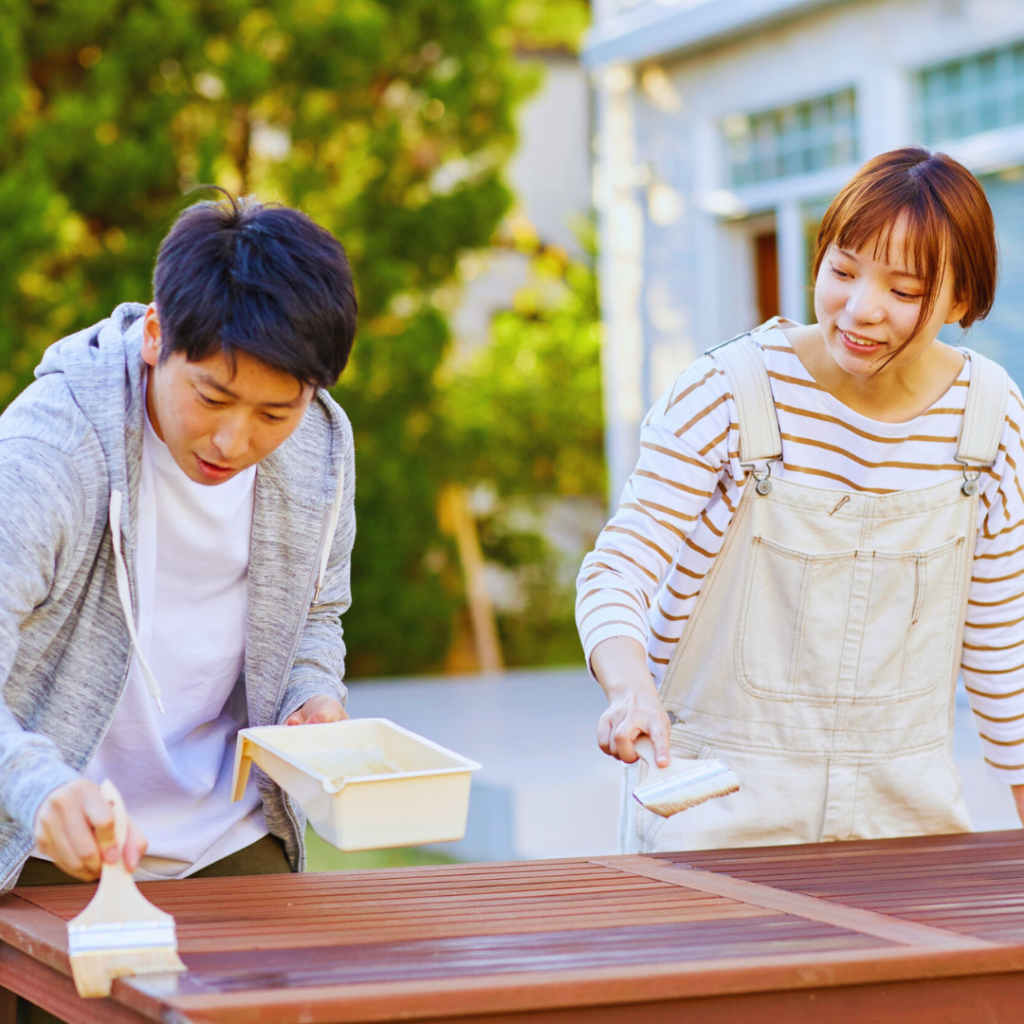
Refreshing secondhand furniture with a touch of style involves a few simple yet impactful steps. The key is to combine cleaning, minor repairs, and thoughtful decoration to breathe new life into each piece. This approach elevates the furniture’s character without losing its original charm.
They can start by choosing the right paint or stain that suits the existing design and their personal taste. Adding new hardware or upholstery can also make a significant difference, turning an old item into something unique and stylish.
Understanding which techniques suit different materials helps avoid damage and achieve the best results. With a little patience and care, secondhand furniture can become a standout feature in any room.
Preparing Your Secondhand Furniture for a Stylish Refresh
A successful furniture refresh starts with a thorough groundwork. Cleaning, inspecting, and preparing the surface are essential steps to ensure paint or finishes adhere properly and last longer.
Cleaning and Inspecting Pieces
The first step is to clean the furniture carefully. Use a mild detergent mixed with warm water to remove dirt, grease, and old wax. A soft cloth or sponge works best to avoid damaging the surface.
After cleaning, inspect the piece closely. Look for cracks, loose joints, woodworm holes, or signs of rot. These defects must be repaired before moving forward to prevent further damage and ensure stability.
Sanding and Surface Preparation
Sanding smooths out imperfections and removes any old finishes that could prevent new paint or stain from bonding. Start with medium-grit sandpaper (around 120 grit) to tackle rough areas. Follow with a finer grit (220 grit) for a smooth finish.
Pay special attention to corners and edges. Sanding should be consistent but gentle, preserving the wood’s integrity. Remove all dust with a vacuum and a tack cloth before proceeding.
Primer and Base Coating
Applying primer creates a uniform surface and improves paint adhesion, especially on bare wood or previously varnished furniture. Choose a primer suited for the material—oil-based for wood and metal, or an acrylic primer for everything else.
Once the primer is dry, apply a base coat that matches the chosen final colour or finish. This layer acts as a foundation, enhancing colour vibrancy and durability. Allow sufficient drying time between coats as per product instructions.
Creative Techniques to Transform the Look
Transforming secondhand furniture often involves selecting the right methods to enhance its style and fit. Colour choices, surface treatments, and decorative details can significantly change a piece’s appeal.
Painting and Colour Selection
Choosing the proper paint type is crucial for a durable finish. Chalk paint is popular for furniture refresh due to its matte texture and minimal prep work. It adheres well to old surfaces and allows easy distressing later.
Colour selection depends on the room’s theme and the furniture’s purpose. Neutral tones like greys or creams suit classic looks, while bold colours such as navy or emerald add modern flair. Using a primer can improve adhesion on glossy or varnished pieces.
Applying multiple thin coats prevents drips and ensures even coverage. A sealant, either wax or lacquer, protects the paint and prolongs the piece’s life.
Distressing for a Vintage Effect
Distressing creates a worn, vintage feel that suits rustic or shabby-chic styles. It involves sanding edges and surfaces to expose base layers or natural wood beneath the paint.
Key areas to focus on include corners, edges, and spots that would naturally age over time. Using fine-grit sandpaper allows for controlled removal without damaging the furniture structurally.
Adding a glaze or antiquing wax after distressing can highlight the texture and give depth. This technique makes secondhand furniture look intentionally aged rather than merely worn, adding character without reducing usability.
Stencilling and Decoupage
Stencilling introduces patterns or motifs that personalise furniture, offering creative freedom. Lightweight fabrics or cardboard stencils paired with acrylic paint work best for sharp lines.
Decoupage involves adhering decorative paper or fabric onto surfaces using a glue-sealant combination. This technique suits flat areas like tabletops or cabinet doors and can produce intricate or bold designs depending on the chosen materials.
Both methods require a smooth base coat for optimal results and a clear sealer to protect the decoration from wear. They allow transformation beyond paint alone, adding artistic details that refresh the original look with style.
Finishing Touches to Elevate Your Furniture
Fine details can significantly enhance secondhand furniture. Choices around hardware, upholstery, and decorative accents shape the piece’s final look and feel.
Replacing or Restoring Vintage Hardware
Vintage hardware adds character and authenticity to older furniture. When original handles or knobs are damaged, cleaning and polishing often restores their appearance better than replacement.
If restoration is impossible, sourcing exact vintage replacements from antique shops or specialised online stores maintains style consistency. Brass, iron, and ceramic are common vintage materials that should match the piece’s overall condition.
Preserving the hardware’s patina retains its charm. Avoid harsh chemicals; instead, use mild soapy water and a soft brush. Removing rust requires gentle sanding followed by protective oils to prevent further corrosion.
Adding New Handles and Knobs
New handles and knobs provide a quick style update. When selecting replacements, matching the furniture’s period or style ensures a cohesive look.
Materials like brushed nickel, matte black, or antique brass offer modern alternatives while respecting the original design. Size and fitting holes must be measured accurately to avoid drilling new holes or causing surface damage.
Installing new hardware with care avoids scratches. Using felt pads or tape under the screwdriver can prevent marks. Consider decorative or minimalist styles depending on the desired aesthetic, balancing boldness and subtlety.
Reupholstering and Upholstery Accents
Reupholstering refreshes fabric surfaces, particularly on chairs, benches, or ottomans. Choosing durable, stain-resistant fabric extends the piece’s usability.
Removing old fabric carefully preserves the foam and frame condition. Upholstery tacks or staples should be replaced evenly to maintain neatness.
Adding accents like piping, decorative nails, or tufting elevates visual interest. Colours should complement existing furniture and room decor, and texture adds tactile appeal.
Decorative Linings and Felt Applications
Lining drawers and shelves protects surfaces and adds a finished look. Decorative papers or fabric with subtle patterns work well for this purpose.
Felt pads beneath furniture legs prevent scratches on floors and reduce noise. They also improve stability on hard surfaces.
Cutting linings to precise dimensions ensures a professional fit. Adhesives should be strong yet removable, allowing future updates without damage. Lining with light colours can brighten dark interiors inside drawers or cabinets.
Personalisation and Styling Tips
Refreshing secondhand furniture offers many opportunities to inject personality into a space. Emphasising contrasts and statement elements creates interest, while thoughtful arrangement enhances functionality and style.
Mixing Old and New Styles
Blending vintage furniture with contemporary accents can create a distinctive aesthetic. Pair a reclaimed wooden table with modern metal chairs to balance warmth and sleekness.
Using neutral or complementary colours helps unify different eras. For example, a pastel-hued armchair with a streamlined modern lamp can link styles without clashing.
Textures also play a key role. Combine smooth, polished surfaces with rough, weathered finishes to add depth and tactile appeal to the room.
Incorporating Statement Features
Statement pieces transform refreshed furniture into focal points. These can be bold upholstery fabrics, unique hardware, or striking paint finishes.
Consider replacing plain drawer handles with vintage brass knobs to add character subtly. Alternatively, upholstering a chair in vibrant, patterned fabric can draw attention immediately.
If painting, use colours that reflect personal taste but contrast the room’s palette moderately. A bright turquoise chest of drawers, for instance, can energise a neutral living area.
Arranging Refreshed Pieces in Your Space
Layout affects how well refreshed furniture integrates with existing décor. Place larger items away from walls to open flow and create conversation zones.
Group pieces by function and style for cohesiveness — a refurbished sideboard beside a contemporary dining set works well. Avoid overcrowding to maintain visual balance.
Use accessories like rugs or cushions to tie furniture into the room’s theme. This reinforces the furniture refresh by blending old charm with new energy effectively.