
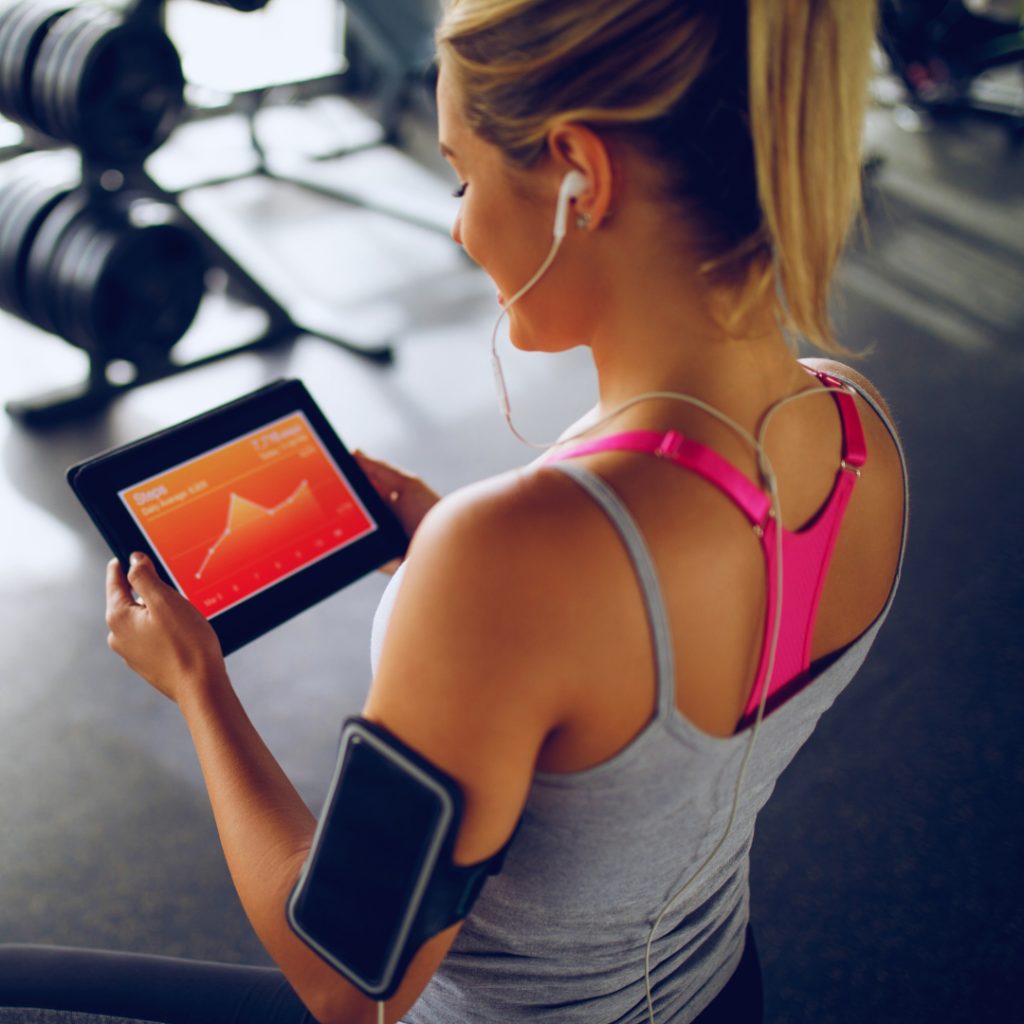
In a fast-paced world, tracking a fitness journey has become crucial for those aiming to achieve their fitness goals. With the rise of innovative apps and gadgets, individuals can now monitor their progress more effectively than ever before. These tools provide valuable insights that help keep users motivated and accountable.
Tech-savvy fitness enthusiasts can choose from a variety of options, whether they prefer smartphones, smartwatches, or specialised fitness trackers. Each device offers unique features, from heart rate monitoring to step tracking, ensuring that users have the data they need at their fingertips. By integrating technology into their routines, they can make informed decisions that propel them towards success.
As more people recognise the importance of health and wellness, the role of technology in fitness continues to grow. Selecting the right app or gadget can transform an ordinary fitness journey into a rewarding experience, allowing individuals to track their progress and celebrate their achievements along the way.
Essential Fitness Apps and Gadgets
Selecting appropriate fitness apps and gadgets is crucial for effectively tracking progress and staying motivated. The following tools offer variety and functionality, ensuring users can find options that suit their personal fitness goals and lifestyle.
Choosing the Right Tools
When selecting fitness apps and gadgets, it’s important to consider individual needs. Factors such as fitness level, specific goals, and preferred activities play a significant role. Users should think about whether they want real-time feedback, social sharing features, or detailed analytics.
Compatibility with other devices can also impact the user experience. For instance, many apps synchronise with smartwatches or fitness trackers. This creates a seamless flow of data and enhances tracking accuracy.
Popular Fitness Apps
A variety of fitness apps cater to different needs and preferences. MyFitnessPal is well-known for calorie tracking and nutritional information. Users can log their meals and monitor their intake.
Strava is favoured by runners and cyclists, offering detailed activity tracking and community features. Runkeeper focuses on running progress with personalised training plans.
For strength training, Fitbod and Jefit help users design effective workout routines. Nike Training Club provides a diverse range of workouts, accommodating various fitness levels.
Apple Fitness+ integrates with Apple Watch, offering guided workouts alongside heart rate monitoring. The variety of apps means users can select tools tailored to their fitness pursuits.
Cutting-Edge Fitness Gadgets
Fitness gadgets are continually evolving, providing enhanced tracking and monitoring capabilities. The Apple Watch offers comprehensive health features, including heart rate monitoring, GPS tracking, and integration with various fitness apps.
Fitbit devices are popular for their user-friendly interface and extensive functionality. They monitor steps, sleep patterns, and physical activity to give users holistic insights into their wellness.
Garmin also provides advanced fitness trackers, particularly favoured by athletes for their precise GPS capabilities and performance metrics.
Wearable technology continues to adapt. New innovations emerge regularly, offering features like stress monitoring and advanced sleep tracking, providing users with deeper insights into their overall health and fitness journey.
Tracking Fitness Progress
Monitoring fitness progress is crucial for achieving specific health goals. Various apps and gadgets assist in tracking aspects like workouts and nutrition, essential for informed decisions in fitness journeys.
Workout and Nutrition Logs
Maintaining a workout log allows individuals to record each session, capturing details such as duration, exercises performed, and intensity. This structured approach not only aids in recognising patterns but also facilitates progressive overload by providing a clear history of workouts.
For nutrition tracking, incorporating a food log offers insights into calorie intake and food choices. By documenting meals, individuals can analyse their macro tracking, ensuring they meet dietary needs for weight management or fitness levels. Regularly updating these logs supports accountability and informs adjustments to optimise fitness outcomes.
Understanding Fitness Data
Fitness apps generate a wealth of data, including metrics like heart rate, calories burned, and step count. Interpreting this data helps individuals gauge their physical activity and adjust their routines accordingly.
Key metrics to focus on include:
- Calories burned vs. consumed: This balance is crucial for weight loss or maintenance.
- Step count: Tracking daily steps can motivate increased activity levels.
- Heart rate: Monitoring heart rate during workouts informs about intensity and recovery.
Analysing these metrics periodically allows individuals to recognise trends in performance and make data-driven decisions for future workouts.
Setting and Monitoring Goals
Establishing clear fitness goals is vital for motivation and progress. These goals should be specific, measurable, achievable, relevant, and time-bound (SMART). Individuals can track progress through their workout and nutrition logs, adjusting goals as they achieve milestones.
Regular monitoring of fitness levels using various metrics enhances accountability. Setting short-term goals, like increasing workout frequency or improving specific exercises, can build confidence. Reviewing long-term goals, such as overall weight loss, helps in evaluating broader achievements and determining new objectives.
Integrating Tech with Fitness Routines
Technology plays a crucial role in enhancing fitness experiences. By utilising apps and gadgets, individuals can fine-tune their routines, track progress effectively, and maximise their exercise efficacy.
Workouts at Your Fingertips
Fitness apps provide access to a wide range of pre-designed workout plans tailored for various skill levels. Users can find options for strength training, yoga workouts, and weightlifting. Many apps offer videos and step-by-step instructions, ensuring proper technique and reducing the risk of injury.
Furthermore, smart devices such as smart jump ropes and fitness trackers facilitate real-time monitoring. These devices help track workout time, calories burned, and heart rate. This easy accessibility empowers users to make informed choices about their fitness.
Customising Your Fitness Journey
Custom workout plans are integral for personalising fitness routines. Many apps enable users to set specific goals like weight loss or muscle gain. They can choose from customisable workouts that fit their lifestyle and preferences.
Options for adjusting workout intensity and duration are often available. Users might select plans based on their heart rate monitoring data, allowing for tailored sessions that adapt to their performance. This adaptability fosters commitment and motivation, aligning fitness routines with personal objectives.
Maximising Workout Efficacy
To maximise workout efficacy, it’s vital to integrate technology meaningfully. By using GPS tracking, individuals can evaluate their performance during outdoor activities like running or cycling. This geographic data adds a layer of analysis for long-term improvements.
Incorporating feedback from wearable devices enables individuals to refine their workouts. For instance, adjusting to heart rate zones can enhance fitness outcomes. This approach helps them train more effectively, pushing their limits without overexertion.
Utilising fitness technology can transform workouts into data-driven experiences, enhancing results while keeping motivation levels high.
Lifestyle Factors and Fitness Tech
Fitness technology plays a crucial role in managing lifestyle factors such as sleep, hydration, and activity levels. These elements significantly impact overall health and fitness goals. The integration of apps and gadgets can streamline these aspects effectively.
Analysing Sleep Patterns
Tracking sleep patterns is essential for optimising health and fitness. Many devices provide insights into sleep quality, including duration and cycles. For example, wearable devices can monitor heart rate and movement during sleep, offering valuable data.
Users can leverage apps that analyse sleep data and suggest improvements. Establishing a regular sleep schedule may enhance recovery and performance. A well-rested individual is more likely to adhere to fitness regimes and lose weight effectively.
Balancing Hydration and Activity
Hydration is a critical component of fitness. Many fitness gadgets can track fluid intake and remind users to stay hydrated.
Apps often feature features that log daily water consumption and correlate it with activity levels. This can help individuals understand their hydration needs based on exercise intensity.
Employing a running app can also factor in hydration requirements during workouts, ensuring optimal performance and recovery. Staying hydrated enhances endurance and helps prevent fatigue.
Fitness on the Go
Modern lifestyles often require flexibility in fitness routines. Activity tracking through smartphones or wearable devices allows individuals to maintain their workouts anywhere.
Many fitness apps offer tailored workouts that can be executed in various environments, from parks to gyms. Additionally, incorporating headphones for audio-guided sessions can further enhance motivation.
Managing fitness on the go encourages consistency and can lead to significant health improvements. Frequent activity helps individuals meet their fitness goals while adapting to busy schedules.