
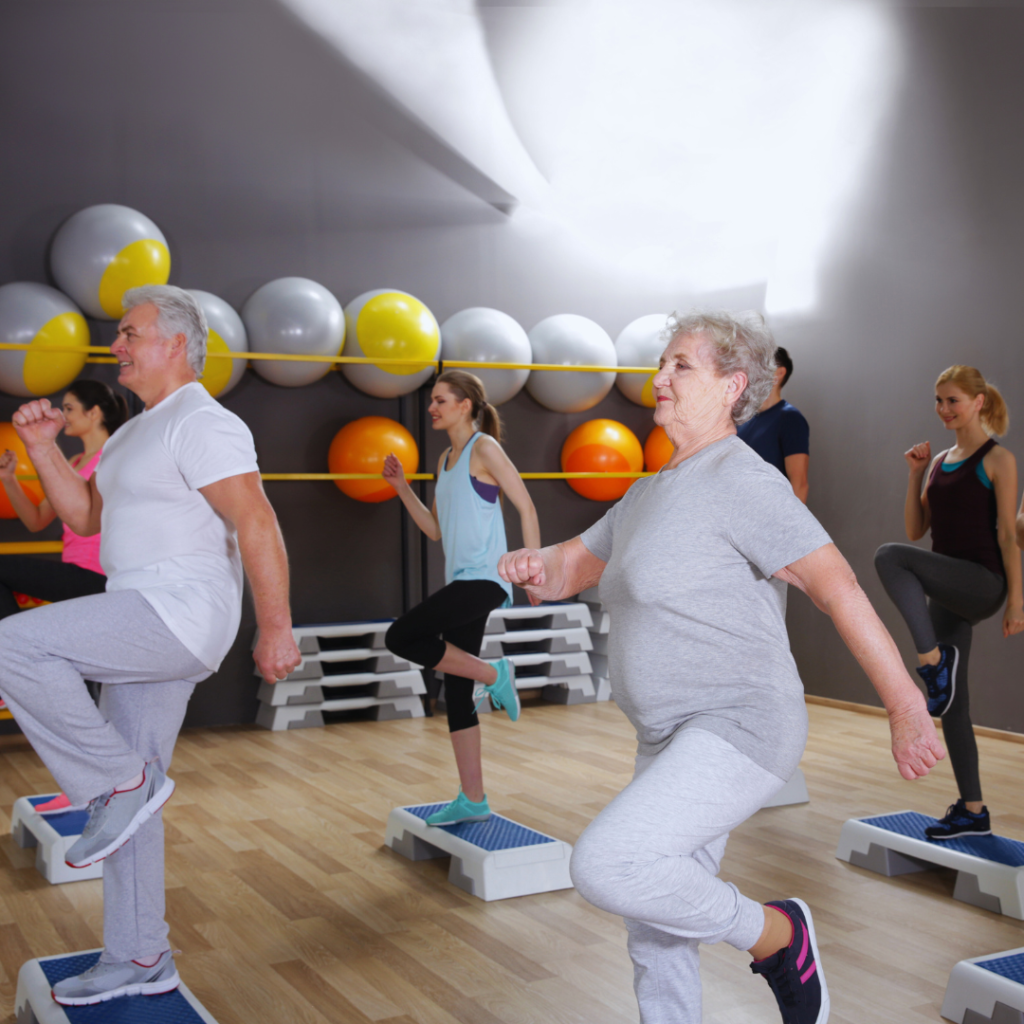
Fitness plays a crucial role in maintaining health across all age groups. Adopting age-appropriate exercise routines not only enhances physical well-being but also improves mental health, social interaction, and overall quality of life. Each stage of life presents unique challenges and opportunities for physical activity, from childhood to older adulthood.
For children, fitness activities should focus on play and skill development to encourage lifelong healthy habits. As adolescents transition into adulthood, they benefit from structured exercise programmes that promote strength, endurance, and flexibility. Adults and seniors, meanwhile, require tailored approaches that accommodate their changing physical abilities and health conditions, emphasising balance, strength training, and cardiovascular health.
The significance of fitness is undeniable; engaging in the right activities at any age contributes significantly to better health outcomes. By understanding these diverse needs, individuals can make informed choices that foster a sustainable fitness journey throughout their lives.
Understanding Fitness Across Different Age Groups
Physical activity plays a crucial role in maintaining health throughout an individual’s life. Different age groups have unique fitness needs, and understanding these variations can enhance lifelong health and well-being.
The Importance of Exercise for Lifelong Health
Exercise significantly impacts overall health across all life stages. For children, it aids in development and fosters healthy habits. Engaging in physical activity during youth promotes strength, coordination, and emotional well-being.
As individuals transition to adulthood, regular exercise helps manage weight, reduces the risk of chronic diseases, and enhances mental health.
In older adults, physical activity contributes to maintaining mobility, preventing falls, and improving quality of life. It is also associated with cognitive health, demonstrating that exercise is crucial at every stage of life.
Guidelines and Benefits for Key Age Categories
Children and Adolescents (Ages 5-18):
- Aim for at least 60 minutes of moderate to vigorous activity daily.
- Activities should be varied; include aerobic, muscle-strengthening, and bone-strengthening exercises.
Adults (Ages 19-64):
- Engage in a minimum of 150 minutes of moderate aerobic activity weekly, or 75 minutes of vigorous activity.
- Include muscle-strengthening activities on two or more days per week.
Older Adults (65+):
- Follow similar guidelines as adults, focusing on balance and flexibility exercises.
- Regular activity can include walking, swimming, or resistance training, tailored to individual capability.
Adjustment of physical activity levels based on specific health needs ensures safety and maximises fitness benefits across age groups.
Exercise Types and Benefits for Various Life Stages
Different age groups require tailored exercise programmes that focus on their specific developmental needs and physical capacities. The following sections highlight suitable exercise types and their benefits for children, young adults, and older adults.
Children and Adolescents: Building Foundations
Children and adolescents benefit greatly from activities that promote strength, flexibility, and endurance. Engaging in outdoor play, team sports, and bodyweight exercises can effectively enhance physical literacy.
Activities such as running, cycling, and swimming are recommended for cardiovascular health. It’s important for them to develop a routine that incorporates both fun and structured play. This not only improves muscle mass but also encourages social skills.
Incorporating balance activities like jumping and simple agility drills can strengthen coordination. Resistance bands and simple stretching routines can promote flexibility. Establishing these habits early supports lifelong health and well-being.
Young and Middle-Aged Adults: Maintaining and Enhancing Fitness
For young and middle-aged adults, exercise serves to maintain fitness levels and enhance overall health. Strength training using free weights or machines is vital for increasing lean muscle mass and bone density.
Incorporating activities like yoga and tai chi promotes mobility, flexibility, and balance, which are essential for daily activities. These practices help reduce stress as well, benefiting mental health.
Cardiovascular activities such as jogging, swimming, or cycling should be part of their regimen to enhance heart health. Outdoor adventures and recreational sports provide both fitness and social interaction.
Encouraging a mix of high-intensity workouts and lower-impact activities can prevent injuries while offering a comprehensive fitness experience.
Older Adults: Preserving Functionality and Mobility
Older adults should engage in low-impact activities that focus on functionality, balance, and mobility. Walking, swimming, and gentle cycling are ideal choices to enhance cardiovascular health without excessive strain.
Incorporating balance exercises is crucial to prevent falls. Activities like tai chi can improve stability and awareness of body movements. This is particularly important for maintaining independence.
Strength training using light weights or resistance bands helps counteract the loss of muscle mass associated with ageing. Flexibility exercises such as stretching can greatly improve joint health.
Participation in group activities or classes fosters social connections, further enhancing overall health and well-being. Attention to these elements can ensure an active and fulfilling lifestyle in later years.
In-between bouts of exercise and movement, it can be beneficial for senior citizens to use an ultralight mobility scooter to move about. This gives them an easier way to get about without causing excessive strain on their muscles and joints, which they’ll try to reserve for more meaningful activities.
For many seniors, maintaining independence at home is just as important as staying active outdoors. When stairs become difficult or unsafe, installing home accessibility solutions can make a major difference. Working with platform lift specialists in the uk helps homeowners find the right equipment to move between floors safely. These systems allow individuals to save their energy for daily exercises and hobbies instead of facing physical barriers in their own homes.
Strategies for Personalising Fitness Goals
Personalising fitness goals involves understanding individual needs and creating tailored exercise routines. Factors like health conditions, physical activity levels, and personal preferences play a crucial role in this process.
Adapting Exercise to Individual Needs and Conditions
Personal training can be adapted to address specific health conditions and individual capabilities. For example, someone recovering from an injury may focus on low-impact exercises that support joint mobility and avoid strain. Functional training can enhance everyday movement, helping individuals perform daily tasks more efficiently.
A balanced routine might include cardiovascular activities like walking or cycling, alongside strength training to build muscle. Incorporating flexibility training, such as Pilates or stretching, is also essential. Adjusting the intensity, whether through high-intensity interval training (HIIT) or more moderate circuits, ensures the program meets the individual’s fitness level while promoting progress.
Tracking Progress and Adjusting Workouts
Tracking progress allows individuals to see improvements and stay motivated. This can be done through regular assessments, and monitoring specific metrics like endurance, strength, and flexibility. Keeping a fitness journal or using apps can help in documenting achievements.
Adjusting workouts based on progress is vital. If an exercise routine becomes too easy, incorporating new challenges—like increasing weights or introducing new exercises—can stimulate further improvement. Regular postnatal checks may also be necessary for new mothers to ensure workouts are appropriate. This approach maintains engagement and continually aligns fitness goals with individual progress and capabilities.
Implementing Fitness Activities Through Daily Routines
Incorporating fitness into daily life is essential for maintaining an active lifestyle across all age groups. By integrating moderate and vigorous activities seamlessly into everyday tasks, individuals can enhance their overall health and meet physical activity guidelines.
Incorporating Moderate and Vigorous Activities
Moderate-intensity activities are essential for improving cardiovascular health. Examples include brisk walking, cycling at a leisurely pace, or gardening. The recommended guideline suggests that adults engage in at least 150 minutes of moderate-intensity activity per week.
Vigorous intensity activities elevate the heart rate significantly. Running, aerobic dancing, and competitive sports fall into this category. Adults should aim for at least 75 minutes of vigorous activity each week, which can be spread out over several days.
For children and young people, the guidelines recommend at least 60 minutes of daily physical activity, including both moderate and vigorous exercises. Engaging in team sports is an effective way to incorporate such activities while promoting social interaction.
Utilising Everyday Opportunities for Movement
Many daily routines offer opportunities for physical activity that can easily be integrated into one’s lifestyle. For instance, choosing stairs over lifts or walking rather than driving for short distances can contribute significantly to activity levels.
Involving family members in fitness can create a culture of health at home. Activities like family bike rides or playing frisbee in the park can make physical activity enjoyable for all ages.
Additionally, incorporating resistance training at least twice a week is crucial for building strength. This can include exercises using body weight or weights, which support muscle maintenance and development across different age groups.