
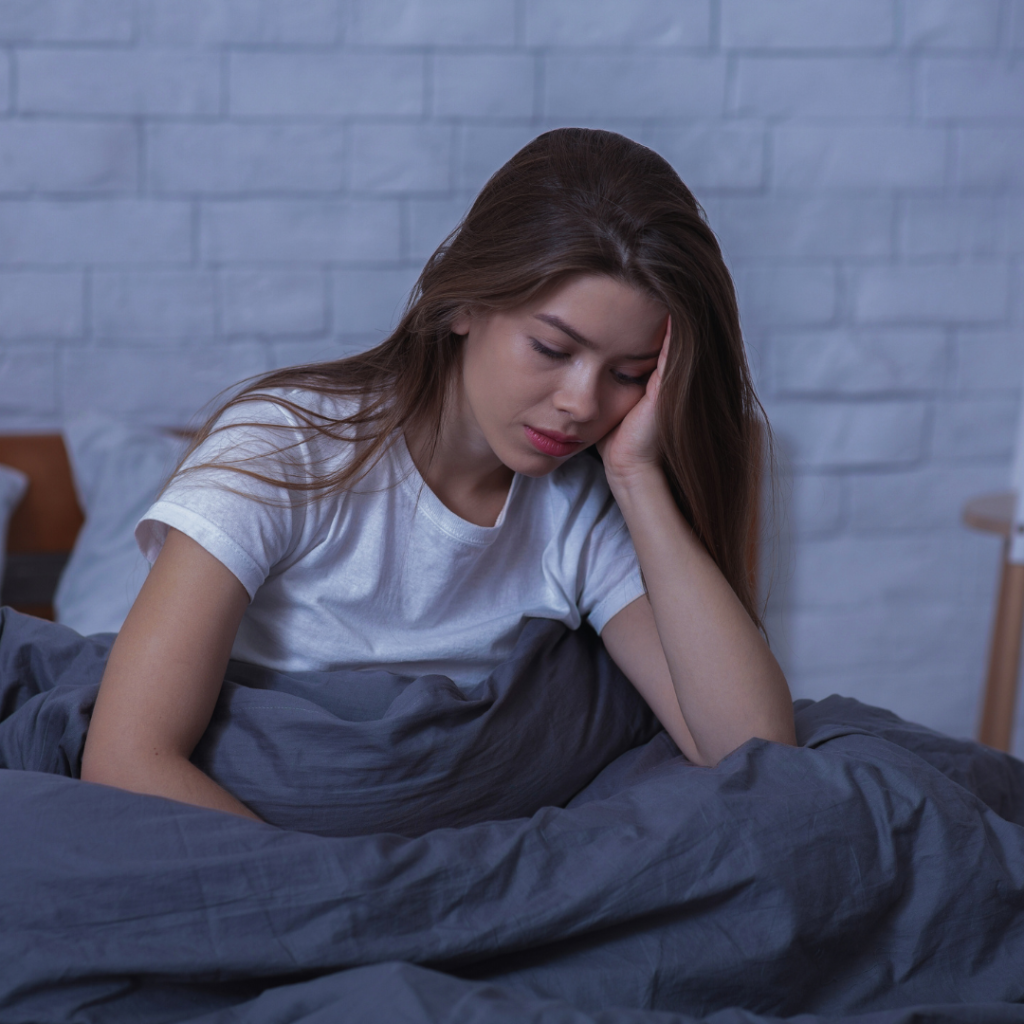
Seasonal Affective Disorder (SAD) affects many individuals during the colder months, often leading to symptoms of depression that can impact daily life. Recognising the signs and understanding the various coping strategies can significantly improve mental health during this challenging time. By addressing the specific ways in which SAD manifests and discussing effective methods to manage its effects, individuals can navigate through the darker months with greater resilience.
People dealing with SAD may experience fatigue, changes in sleep patterns, and a general sense of hopelessness as daylight hours shorten. Effective coping mechanisms range from light therapy and regular exercise to maintaining a structured routine and seeking support from friends or mental health professionals. These approaches can help alleviate symptoms and foster a sense of control.
Learning to cope with Seasonal Affective Disorder not only enhances mental well-being but also encourages individuals to find joy and purpose despite the seasonal changes. Understanding the condition and exploring practical solutions empowers individuals to take proactive steps towards better mental health.
Understanding Seasonal Affective Disorder
Seasonal Affective Disorder (SAD) is a type of depression that occurs at specific times of the year, typically during fall and winter. It is characterised by a range of symptoms that can significantly impact daily life. The underlying causes are linked to changes in circadian rhythms and levels of important neurotransmitters.
Symptoms and Diagnosis
Symptoms of SAD include low mood, irritability, lack of energy, changes in sleep patterns, and difficulties concentrating. Individuals may also experience changes in appetite, often craving carbohydrates.
Diagnosis typically involves a mental health assessment, including a review of mood patterns linked to seasonal changes. A healthcare professional may use standard criteria, including the DSM-5, to confirm a diagnosis. Recognising these symptoms early can facilitate effective treatment options.
Causes and Science Behind SAD
The exact cause of SAD is not fully understood, but it is thought to relate to changes in light exposure during seasonal transitions. Reduced sunlight may affect the production of melatonin and serotonin, hormones that regulate mood and sleep.
Disruptions in the circadian rhythm, the body’s internal clock, may also contribute to symptoms. Research indicates that individuals living further from the equator, experiencing more significant seasonal light variation, may have a higher prevalence of SAD. Cognitive Behavioural Therapy (CBT) has proven effective in treating SAD by addressing negative thought patterns linked to seasonal changes.
Lifestyle and Home Remedies
Adopting specific lifestyle changes and home remedies can effectively aid in managing seasonal affective disorder (SAD). Focus on incorporating exercise, nutrition, and routines that enhance exposure to natural light for optimal well-being.
Exercise and Physical Activity
Regular exercise can significantly uplift mood and has been shown to alleviate the symptoms of SAD. Activities such as walking, jogging, swimming, or gardening are excellent choices. Aim for at least 30 minutes of moderate exercise most days, as this can stimulate the release of endorphins.
Yoga and mindfulness exercises can also be beneficial, providing both physical and mental health improvements. Engaging in physical activity outdoors maximises sunlight exposure, essential for vitamin D absorption, which may counteract some effects of SAD.
Nutrition and Diet
A balanced diet plays a crucial role in managing SAD symptoms. Incorporating carbohydrate-rich comfort foods can provide a temporary mood boost. Foods high in omega-3 fatty acids, such as oily fish, may also improve mood.
Including plenty of fruits and vegetables ensures a well-rounded intake of vitamins and minerals. Special attention should be paid to vitamin D sources, particularly during the winter months. Supplementation may be justified for those with limited sun exposure, supporting overall mental health.
Daily Routines and Exposure to Light
Establishing a daily routine that prioritises natural light exposure is vital. Morning sunlight can help reset circadian rhythms. Opening curtains or spending time outdoors early in the day can be beneficial.
In addition, light therapy boxes mimic natural light and can effectively reduce symptoms of SAD. Incorporating mindfulness and meditation can enhance coping mechanisms, reduce anxiety, and improve focus. Making an effort to maintain consistent sleep patterns also contributes to emotional and mental stability.
Therapeutic Interventions
Addressing Seasonal Affective Disorder (SAD) often requires a combination of therapeutic interventions. Effective strategies include counselling and support, as well as medical treatments tailored to the condition.
Counselling and Support
Counselling plays a crucial role in helping individuals manage SAD. Cognitive Behavioural Therapy (CBT) is particularly effective as it enables individuals to identify and modify negative thought patterns.
Talking therapy creates a safe space for expressing feelings and concerns, promoting emotional support. Group therapy can also provide a sense of community among those experiencing similar struggles, fostering connections that reduce feelings of isolation.
Regular sessions with a trained therapist can empower individuals, equipping them with coping strategies for the winter months. The emphasis on skill-building and emotional expression often leads to improved cognitive functioning and overall well-being.
Medical Treatments for SAD
For some, medical treatments may be necessary to alleviate the symptoms of SAD. Antidepressants, particularly Selective Serotonin Reuptake Inhibitors (SSRIs), are commonly prescribed. These medications can help regulate mood and improve emotional stability.
Phototherapy has gained recognition as another effective option. Exposure to a light box that mimics natural sunlight can significantly reduce symptoms of SAD. Patients typically use this therapy daily for 20-60 minutes during the winter months.
A dawn simulator is another innovative approach. This device gradually increases light in the morning, helping to adjust the body’s circadian rhythm. It may aid in reducing grogginess and enhancing mood during darker seasons.
Developing Coping Strategies
Creating effective coping strategies is essential for managing seasonal affective disorder (SAD). By implementing thoughtful planning and embracing new activities, individuals can improve their emotional well-being and mitigate feelings of loneliness.
Planning and Adaptation
Planning daily activities is crucial for individuals living with SAD. Establishing a consistent routine can provide structure and predictability, reducing anxiety. Setting aside time for relaxation techniques, such as meditation or gentle yoga, can enhance emotional resilience.
Utilising a calendar to mark important events can help individuals stay engaged. Scheduling social activities or regular catch-ups with friends can combat loneliness. Travel planning, even for short trips or day outings, can provide motivation and excitement. Additionally, incorporating light therapy into daily routines can counteract the effects of decreased sunlight during winter months.
Embracing New Activities
Engaging in new hobbies can be beneficial for coping with SAD. Activities like gardening, painting, or journaling can offer creative outlets and significant emotional relief. Gardening, in particular, allows individuals to connect with nature, improving overall mood.
Participating in group classes or workshops can foster social connections and reduce feelings of isolation. These settings not only introduce new interests but also create opportunities for social interaction. Exploring outdoor pursuits, such as hiking or walking, can help elevate mood levels and promote physical well-being. By actively seeking enjoyment through new activities, individuals can build resilience against the challenges posed by SAD.