
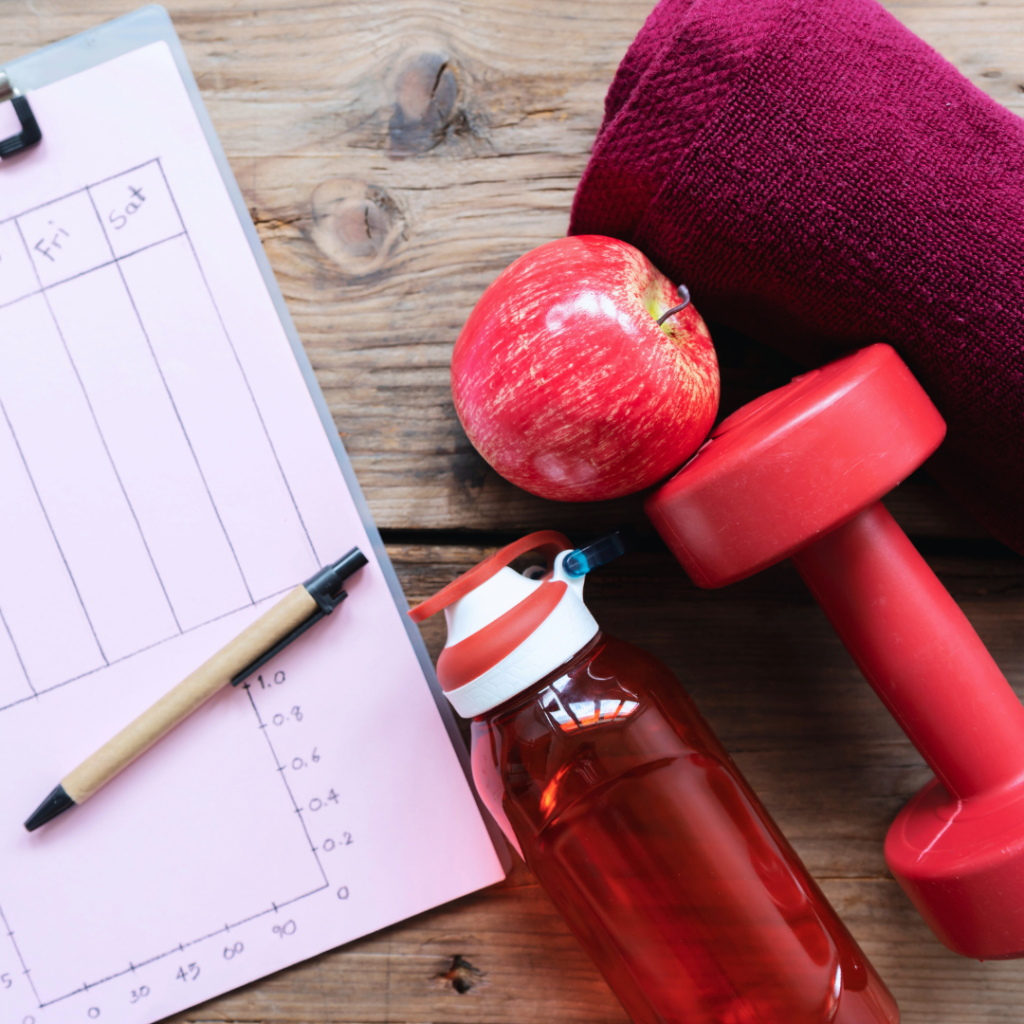
A 30-day fitness plan can serve as a transformative approach for those looking to improve their health and fitness. By focusing on achievable goals and a balanced routine, individuals can make significant progress within just a month. Following a structured programme can enhance motivation, build healthier habits, and ultimately lead to lasting changes.
Incorporating a mix of aerobic, strength, and flexibility exercises is essential for a comprehensive fitness journey. This variety not only prevents boredom but also targets different muscle groups and supports overall physical health. Commitment to such a plan ensures that participants will witness tangible results, boosting both confidence and well-being.
As the month progresses, individuals may discover newfound energy and strength, inspiring them to continue their fitness journey beyond the initial 30 days. By understanding how to tailor a fitness plan to personal needs and preferences, anyone can enjoy the benefits of a healthier lifestyle. Ultimately, this structured approach provides the framework necessary for sustainable fitness improvements.
Crafting Your 30-Day Fitness Plan
Creating an effective 30-day fitness plan involves precise goal setting and an understanding of workout fundamentals. This foundation ensures consistency and helps maintain motivation throughout the month.
Setting Realistic Fitness Goals
Setting achievable fitness goals is crucial for success. Specificity is essential; instead of a vague aim like “get fit,” one could set a goal to “exercise three times per week” or “lose 2kg within 30 days.”
SMART criteria can help:
- Specific: Clearly define what is to be accomplished.
- Measurable: Choose metrics to track progress.
- Achievable: Ensure the goals are attainable based on current fitness level.
- Relevant: Align goals with personal interests and motivation.
- Time-bound: Establish a clear deadline.
Writing goals down enhances commitment, serving as a constant reminder of the intended outcome.
Understanding Workout Basics
A beginner’s workout plan should incorporate various components to develop overall fitness. It’s beneficial to include cardio, strength training, and flexibility exercises.
- Cardio: Activities like jogging, cycling, or swimming elevate heart rate and improve stamina.
- Strength Training: Using body weight or light weights, such as push-ups and squats, builds muscle.
- Flexibility: Stretching routines enhance flexibility and reduce injury risk.
Scheduling workouts is also vital. A sample weekly breakdown could look like this:
| Day | Activity |
| Monday | Cardio (30 minutes) |
| Tuesday | Strength (Full body) |
| Wednesday | Rest or Light Stretching |
| Thursday | Cardio (Interval training) |
| Friday | Strength (Upper body) |
| Saturday | Flexibility (Yoga) |
| Sunday | Rest |
By alternating between different types of exercises, one can maintain interest and avoid plateaus.
Weekly Workout Breakdown
This section outlines a comprehensive four-week fitness plan. Each week focuses on specific goals, including endurance, strength-building, and total-body toning. The structured approach promotes muscle growth and improves fitness levels.
Week 1: Foundation and Endurance
The first week emphasises establishing a fitness foundation. The goal is to enhance cardiovascular endurance and prepare the body for upcoming intensity. Participants should aim for at least five workouts, each lasting 30–45 minutes.
Daily Workout:
- Monday: 20 minutes of brisk walking or jogging
- Tuesday: Bodyweight exercises (e.g. squats, push-ups, lunges) for 30 minutes
- Wednesday: Rest and light stretching
- Thursday: 30 minutes of cycling or swimming
- Friday: Circuit training (3 rounds of 10 reps each)
- Saturday: Active recovery (yoga or Pilates)
- Sunday: 30 minutes of leisurely walking
Week 2: Building Strength and Muscle
During the second week, the focus shifts to strength training and muscle growth. Resistance exercises increase in intensity to challenge the muscles effectively. Each session should last around 45–60 minutes.
Daily Workout:
- Monday: Upper body strength (dumbbell bench press, rows, shoulder press)
- Tuesday: Lower body strength (deadlifts, leg press, calf raises)
- Wednesday: Core workouts (planks, Russian twists, leg raises)
- Thursday: Combined cardio and strength (HIIT session)
- Friday: Full-body workout (kettlebell swings, burpees, medicine ball slams)
- Saturday: Flexibility training (stretching)
- Sunday: Rest day
Week 3: Intensifying Workouts
The third week intensifies workouts further, integrating advanced techniques to maximise gains. Participants may incorporate supersets and increase weights. Each workout session extends from 45 to 75 minutes.
Daily Workout:
- Monday: Supersets for upper body (push-ups followed by dumbbell flyes)
- Tuesday: Lower body focus with lunges and squats, adding resistance bands
- Wednesday: Interval training (sprint for 30 seconds, walk for 1 minute, for 20 minutes)
- Thursday: Bodyweight circuit with increased reps
- Friday: Functional training (kettlebell workouts, agility drills)
- Saturday: Active recovery with a focus on breath work and relaxation
- Sunday: Light activity such as stretching or walking
Week 4: Total-Body Strengthening and Toning
The final week concentrates on total-body strengthening and toning. The aim is to merge strength and cardio for a comprehensive workout. Sessions can last from 60 to 90 minutes, depending on the individual.
Daily Workout:
- Monday: Full-body workout (mix of compound exercises)
- Tuesday: Cardio and strength combo (treadmill sprints alternated with strength exercises)
- Wednesday: Core workout, focusing on stability and balance
- Thursday: High-intensity circuit training
- Friday: Resistance training with an emphasis on form and technique
- Saturday: Recovery with yoga routines that emphasise strength
- Sunday: Assessment of progress and light activity
Exercise Descriptions and Techniques
This section outlines specific exercises targeting the upper body, core, and lower body. Each exercise focuses on proper technique to maximise effectiveness and minimise the risk of injury.
Upper Body Exercises
Upper body exercises are essential for building strength and endurance.
- Push-Ups: This exercise targets the chest, shoulders, and triceps. To perform, start in a plank position, lower the body until the chest nearly touches the floor, then push back up.
- Tricep Dips: Effective for strengthening the triceps and shoulders. Use a stable chair or bench, place hands behind, and lower the body by bending the elbows, then return to the starting position.
- Arm Workouts: Incorporating resistance bands or dumbbells enhances the workout. Simple bicep curls and shoulder presses can significantly improve muscle tone.
Core Stability and Strengthening Moves
Core exercises improve stability and balance, crucial for overall fitness.
- Plank: A foundational core exercise, it involves supporting the body on forearms and toes, keeping the body straight from head to heels. Hold for as long as possible, aiming for at least 30 seconds.
- Russian Twists: This rotational exercise targets obliques and overall core strength. Sit with knees bent and lean back slightly, twisting the torso to alternate sides while holding a weight or medicine ball.
- Mountain Climbers: A full-body workout that engages the core, shoulders, and legs. Start in a plank position and alternate bringing knees towards the chest quickly.
Lower Body and Leg Workouts
Lower body workouts focus on strength and muscular endurance.
- Squats: Squats work the thighs, hips, and buttocks. Stand with feet shoulder-width apart, lower into a sitting position while keeping the back straight, and then return to standing.
- Jumping Squats: A dynamic variation that adds a cardio element. Perform a squat, then jump explosively upward, landing softly back into the squat position.
- Leg Exercises: Deadlifts and lunges further engage leg muscles. Lunges require stepping forward, lowering the back knee toward the ground, and switching legs for complete coverage.
Supportive Fitness Routines and Tips
Incorporating a balanced routine that includes flexibility, balance training, and injury prevention is essential for achieving fitness goals. Proper warm-up and cool-down techniques will enhance performance and minimise the risk of injuries.
Incorporating Flexibility and Balance Training
A well-structured fitness plan should include flexibility and balance exercises. They improve overall functionality and reduce injury risk. Incorporating activities such as yoga or Pilates can significantly enhance flexibility.
Warm-ups should include gentle stretching routines to prepare the body for exercises. Dynamic stretches, like leg swings or arm circles, are effective for warming up.
For balance training, consider using a resistance band or stability ball. Simple exercises, such as single-leg stands or toe touches, can enhance stability. Such routines benefit both strength and control, making them essential additions to a fitness plan.
Importance of Recovery and Injury Prevention
Recovery is as crucial as the workouts themselves. Active recovery days help muscles heal and keep the body engaged. Low-impact activities like swimming or walking are beneficial.
Injury prevention strategies should always be a priority. This includes proper warm-up and cool-down sessions which help regulate blood flow and reduce stiffness.
Listening to the body during workouts is vital. If pain occurs, modifying the exercise or resting is important to prevent exacerbating injuries. A focused approach to recovery, coupled with safe practices during workouts, will lead to more sustainable fitness progress.