
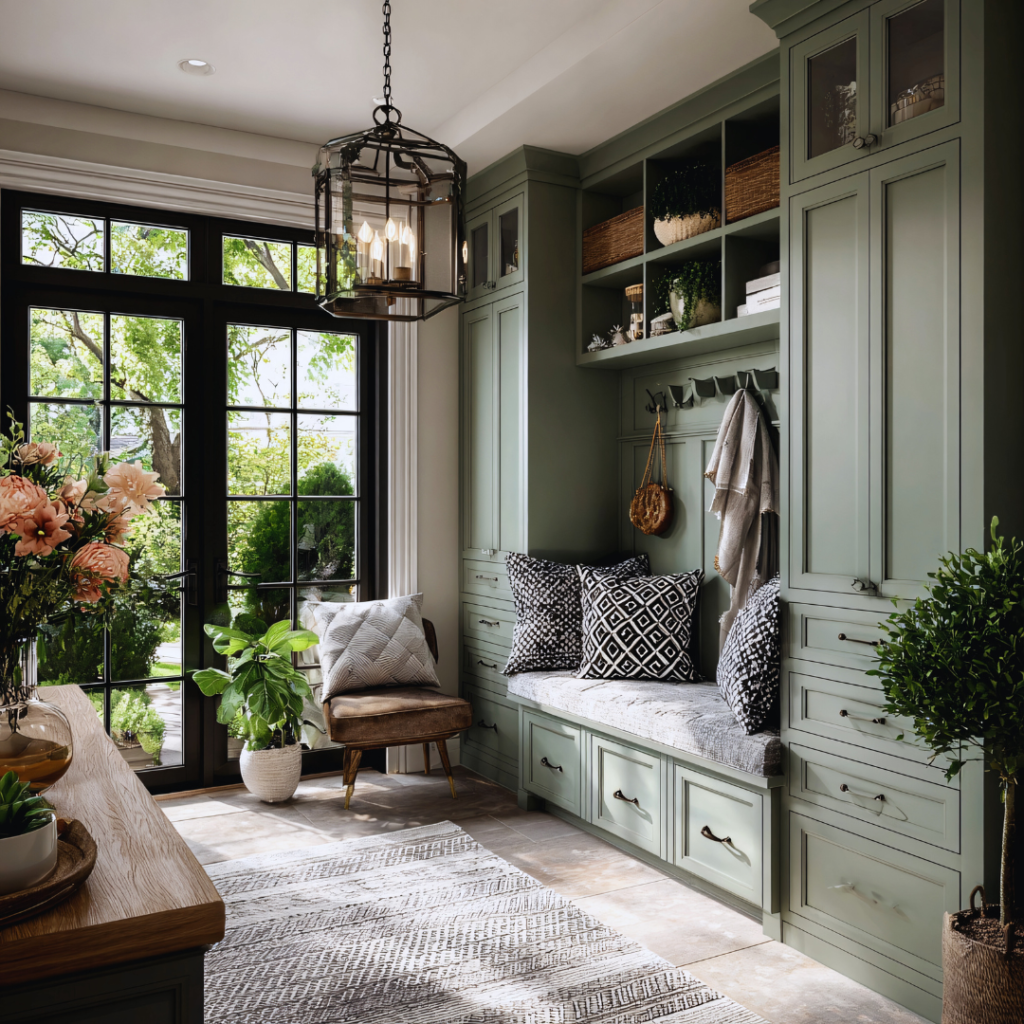
Creating a home environment that supports wellness involves intentional choices in organisation, lighting, air quality, and personal comfort. The key is to design spaces that promote calm, clean air, natural light, and ergonomics to enhance physical and mental well-being.
They can start by reducing clutter, introducing plants, and using calming colours to create a balanced atmosphere. Adjusting lighting and ensuring proper ventilation further contribute to a healthier living space.
Understanding how each element affects wellness allows one to make practical changes that improve daily life. These small adjustments lead to a home that serves as a refuge for both rest and productivity.
Fundamental Principles of a Wellness-Supportive Home
Creating a home that fosters wellness requires attention to physical health, emotional balance, and practical design. The arrangement of spaces and daily habits must intentionally support overall well-being without adding complexity or stress.
Well-Being and Healthy Home Environment
A healthy home environment prioritises air quality, natural light, and cleanliness. Proper ventilation reduces allergens and pollutants, while ample daylight supports circadian rhythms and energy levels. Surfaces should use non-toxic materials to limit exposure to harmful chemicals commonly found in cleaning products and paints.
Organisation also influences wellness. Clutter-free, well-maintained spaces reduce stress and improve focus. Implementing storage solutions and regular cleaning routines supports physical health and mental clarity.
The Role of Emotional and Mental Health
Emotional well-being depends on a space’s ability to provide comfort, privacy, and calm. Homes should include quiet zones for relaxation or reflection, away from daily distractions. Soft lighting, soothing colours, and natural elements can help regulate mood and reduce anxiety.
Social areas need to balance communal interaction and personal space to support mental health. Personalisation of rooms with meaningful objects also enhances emotional connection and reduces feelings of isolation.
Holistic Design Strategies
Design must consider wellness as a whole, integrating functionality with aesthetics. Using biophilic principles, such as incorporating plants and natural materials, connects occupants with nature, improving mood and air quality.
Furniture placement should encourage movement and informal gatherings, while ergonomic choices prevent physical strain. Acoustic control using soft textiles and strategic layouts reduces noise pollution, promoting better sleep and concentration.
Tables, lists, and clear zones in the home create structure, aiding routine and balance in daily life.
Optimising Light, Air, and Natural Elements
A healthy home integrates proper lighting, clean air, and natural materials to create a supportive environment. Attention to these elements can improve well-being by regulating sleep patterns, enhancing air quality, and connecting occupants with nature.
Maximising Natural Light and Circadian Rhythms
Natural light plays a critical role in regulating circadian rhythms, which influence sleep, mood, and energy. Exposure to morning sunlight helps synchronise the internal body clock, promoting alertness during the day and better sleep at night.
Windows should be unobstructed to allow maximum sunlight. Sheer curtains can diffuse harsh light while still permitting brightness. For rooms with limited daylight, light therapy lamps that mimic natural light can support vitamin D production and circadian health.
Arranging workspaces near windows or outdoor views increases exposure to natural light. Avoid blue light from screens in the evening to prevent circadian disruption.
Air Quality and Purification
Air quality significantly affects respiratory health and cognitive function. Proper ventilation reduces indoor pollutants, moisture, and allergens, minimising risks such as asthma or headaches.
Using mechanical ventilation or regularly opening windows ensures fresh air circulation. Portable air purifiers equipped with HEPA filters capture dust, pollen, and pet dander effectively.
Materials that emit low volatile organic compounds (VOCs) reduce indoor toxins. Keeping humidity between 30-50% helps prevent mould growth while maintaining comfort.
Incorporating Natural Materials and Biophilic Design
Natural materials like wood, stone, and natural fibres contribute to a calming atmosphere and less chemical exposure. Biophilic design connects occupants with nature, improving stress levels and cognitive function.
Furniture and flooring made from sustainably sourced wood or bamboo add warmth and durability. Textiles such as cotton, wool, or linen provide natural texture and breathability.
Using earth tones and natural patterns enhances visual connection to the outdoors. Avoid synthetic finishes that emit VOCs to maintain a safe environment.
The Benefits of Indoor Plants
Indoor plants improve air quality by absorbing carbon dioxide and releasing oxygen. Some varieties, such as snake plants, lavender, and basil, also reduce airborne toxins and provide mild aromatherapeutic effects.
Plants increase humidity and can reduce airborne dust particles, contributing to lung health. Position plants in areas with appropriate light levels for each species.
Routine care, including watering and dusting leaves, maintains their effectiveness and appearance. Grouping plants can create microclimates that further enhance air purification and comfort.
Creating Calm Through Organisation and Sensory Design
A calm home environment is often achieved by a thoughtful balance of physical order and sensory elements. Organising spaces and carefully selecting colours and scents work together to reduce stress and enhance mental clarity.
Decluttering and Simplifying Spaces
Decluttering removes unnecessary items to create a clearer, more organised space. It improves mental clarity by limiting visual distractions and making cleaning easier.
Effective decluttering involves regular sorting of belongings into keep, donate, or discard categories. Storing essentials in labelled containers and using furniture with built-in storage helps maintain order.
Simplifying surfaces, especially in high-use areas like the kitchen or living room, promotes a sense of calm. This approach also reduces decision fatigue and makes the space more welcoming.
Colour Psychology and Neutral Tones
Colour psychology plays a key role in shaping mood and perception. Neutral tones, such as soft greys, beige, and off-whites, provide a calming backdrop that reduces sensory overload.
These colours improve focus and create a feeling of stability, acting as a base for subtle accent colours. Blue and green shades are often associated with tranquillity and can be used selectively to enhance relaxation.
Avoiding bright, saturated colours in main living areas helps minimise stimulation. Instead, gentle hues promote balance and support a restful environment.
Soothing Scents and Aromatherapy
Aromatherapy utilises essential oils and scented candles to influence mood and promote wellness. Scents like lavender, chamomile, and eucalyptus are known for their calming effects.
Using a diffuser with pure essential oils ensures a consistent, subtle fragrance without overpowering the space. Candles with natural soy or beeswax bases offer a warm glow and gentle aroma.
It is important to avoid synthetic fragrances, which may cause headaches or irritation. Integrating scent routines, such as diffusing oils before bedtime, supports relaxation habits.
Personalised Relaxation Zones
Creating designated areas, such as a reading nook or meditation corner, helps signal downtime and reduces overall stress. These zones are personalised with comfortable seating and soft textiles.
Items like cushions, throws, and adjustable lighting improve comfort and allow individuals to adjust the space to their preferences. Keeping these areas tidy reinforces their calming purpose.
Including elements such as plants or calming artwork can further enhance the atmosphere. Personalising these spaces increases their effectiveness as retreats from daily stress.
Supporting Physical and Mindful Living at Home
Creating an environment that encourages both physical health and mindful habits requires specific choices. From sleep quality to daily comfort and stress management, attention to detail shapes wellness at home.
Healthy Sleep with a Supportive Mattress
A supportive mattress directly impacts physical health by maintaining spinal alignment and reducing pressure points during sleep. It is important to select one with appropriate firmness for the sleeper’s weight and sleeping position. Medium-firm mattresses often balance support and comfort for most people.
Materials like memory foam, latex, and hybrid designs offer varied benefits such as motion isolation and breathability. A mattress that supports natural posture decreases the risk of back pain and improves overall sleep quality. Regularly replacing a mattress every 7-10 years also maintains these benefits.
Mindfulness and Stress-Relief Practices
Mindfulness at home can be integrated through dedicated spaces and routines that reduce stress. Simple practices include guided meditation, deep breathing exercises, or yoga in quiet corners. Natural light and minimal distractions enhance focus during these activities.
Keeping technology away during mindfulness sessions helps prevent interruptions. Using calming scents like lavender or chamomile, whether through candles or diffusers, supports relaxation. Consistency in practice builds mental resilience and reduces anxiety.
Comfort and Ergonomics in Everyday Living
Ergonomic furniture supports physical health by promoting correct posture and reducing strain. Chairs with adjustable height and lumbar support prevent back and neck pain during daily activities such as working or reading. Desks at the proper height prevent wrist and shoulder issues.
Introducing footrests and keyboard supports further helps maintain comfort in home offices. Soft, breathable fabrics in seats and cushions improve temperature regulation and tactile comfort. Regular movement breaks complement ergonomic setups by reducing stiffness.
Enhancing Well-Being with Water Features
Water features in the home, like small fountains or aquariums, contribute to well-being by introducing calming sounds. The gentle trickle of water lowers stress and can improve focus by masking background noise.
They also add humidity, which benefits skin and respiratory health, especially in dry environments. Placement near commonly used areas maximises their positive effect. Regular maintenance prevents issues such as mould or unpleasant odours.