
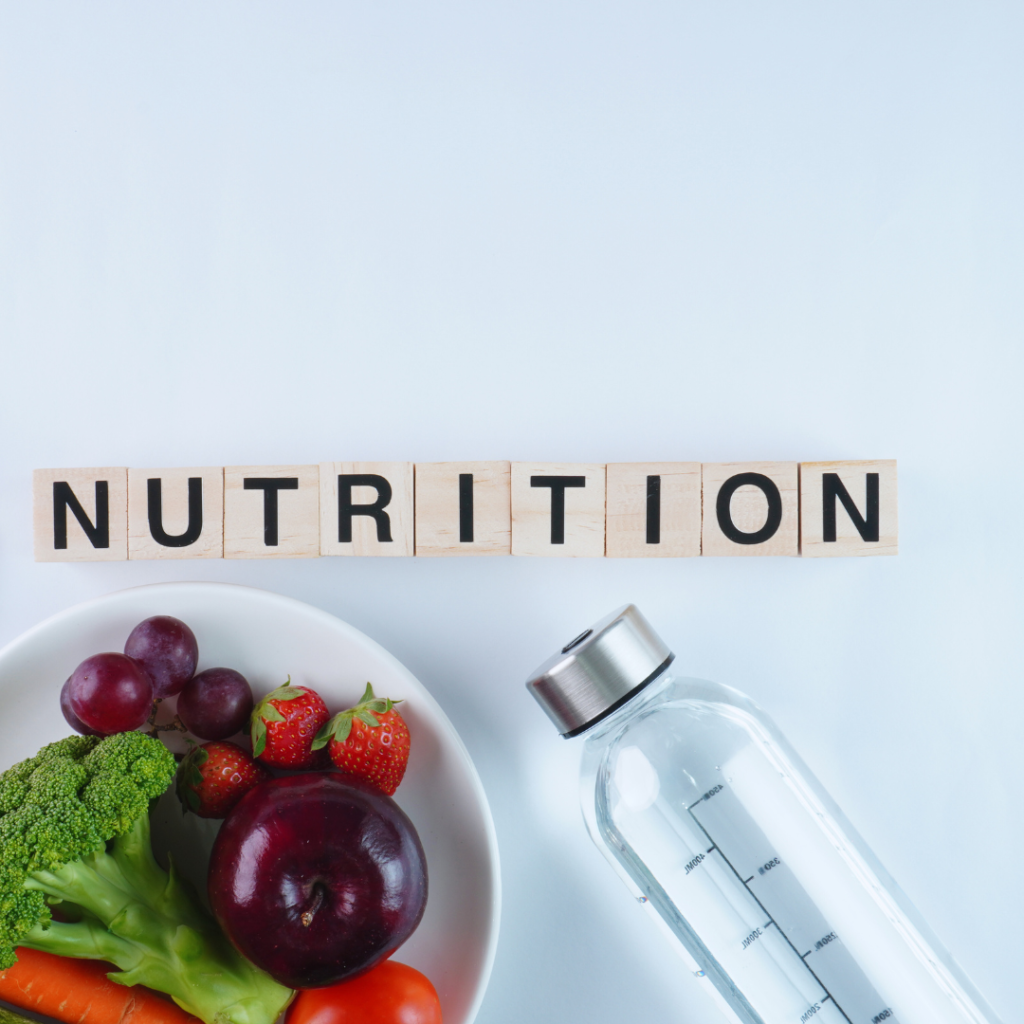
Nutrition plays a significant role in shaping mental health. The foods a person consumes can directly affect brain function, mood, and emotional well-being. A balanced diet rich in nutrients supports better mental health by influencing brain chemistry and reducing the risk of mood disorders.
Research has shown that deficiencies in certain vitamins and minerals can contribute to anxiety, depression, and cognitive decline. Diet and mental health are closely connected, with healthier eating patterns linked to improved mental resilience and reduced symptoms of stress.
Understanding this relationship helps highlight the importance of making informed dietary choices. By prioritising nutrition, individuals can support their mental health alongside other treatments or lifestyle changes.
The Relationship Between Nutrition and Mental Health
Nutrition directly affects brain function and psychological well-being by influencing the production and balance of key neurotransmitters. Proper dietary intake supports mental resilience, reduces the risk of mood disorders, and can contribute to mental health improvement.
The Science of Nutritional Psychiatry
Nutritional psychiatry studies how diet impacts mental health conditions such as depression and anxiety. Research shows that diets rich in whole foods, omega-3 fatty acids, vitamins, and minerals correlate with lower rates of mood disorders. Processed foods and high sugar intake are linked to worsened mental health outcomes.
The gut-brain axis also plays a vital role, where a healthy gut microbiome supported by fibre and probiotics improves brain function. Scientific consensus supports integrating nutrition with traditional mental health treatment to enhance psychological well-being.
The Role of Neurotransmitters in Mood Regulation
Neurotransmitters like serotonin and dopamine regulate mood, motivation, and emotional responses. Nutrition provides the precursors needed for their synthesis. For example, tryptophan, an amino acid found in protein-rich foods, is critical for serotonin production.
An imbalance in these neurotransmitters can contribute to depression and other mental health conditions. Maintaining proper nutrition ensures steady neurotransmitter levels, supporting mood stability and mental resilience, especially in individuals prone to mood disorders.
Impact of Deficiencies on Mental Well-being
Deficiencies in nutrients such as vitamin D, B vitamins, omega-3 fatty acids, iron, and magnesium have been associated with impaired brain function and increased risk of depression. Low levels of vitamin B12 and folate particularly affect cognitive abilities and mood regulation.
An inadequate diet can exacerbate symptoms of mental health conditions by disrupting neurotransmitter production. Regular nutritional assessments and targeted supplementation can be critical parts of managing mental health effectively.
Essential Nutrients and Their Influence on Brain Health
Certain nutrients play a critical role in maintaining brain function, supporting cognitive skills, and regulating mood. These include vitamins, minerals, healthy fats, proteins, and antioxidants, which directly affect neurotransmitter synthesis, inflammation control, and oxidative stress.
Vitamins and Minerals for Cognitive Function
Vitamins such as B-complex (especially folate) and vitamin D are vital for brain health. Folate contributes to DNA synthesis and repair, impacting memory and cognitive speed. Deficiencies in vitamin D can impair mood regulation and increase the risk of depression.
Minerals like iron, magnesium, and zinc support neuronal function. Iron is essential for oxygen transport in brain tissue. Magnesium modulates synaptic activity and reduces anxiety symptoms. Zinc influences neurotransmitter release and protects against cognitive decline.
Table of key vitamins and minerals:
| Nutrient | Function | Food Sources |
| Folate | DNA synthesis, cognition | Leafy greens, beans, lentils |
| Vitamin D | Mood regulation | Fatty fish, eggs |
| Iron | Oxygen transport | Lean meat, poultry |
| Magnesium | Synaptic function | Nuts, seeds, legumes |
| Zinc | Neurotransmission | Meat, seeds, nuts |
Healthy Fats and Omega-3s for Emotional Balance
Omega-3 fatty acids, particularly EPA and DHA, found in fatty fish like salmon, are essential for maintaining cell membrane integrity and brain plasticity. These fats reduce inflammation and support emotional stability, helping to prevent mood swings and depressive symptoms.
Healthy fats also supply energy for brain cells and improve communication between neurons. Diets rich in omega-3s show improved cognitive performance and better stress responses.
Incorporating sources like nuts, seeds, and fish twice a week aids in providing the brain with these critical fats, which cannot be synthesised efficiently by the body alone.
Protein Sources and Neurotransmitter Production
Protein provides essential amino acids necessary for the synthesis of neurotransmitters such as serotonin, dopamine, and norepinephrine. These chemicals regulate mood, motivation, and alertness.
High-quality proteins from lean meat, poultry, eggs, and legumes contribute to neurotransmitter balance. For example, tryptophan, found in eggs and poultry, is crucial for serotonin production, linked to mood regulation and sleep.
Including diverse protein sources ensures the brain receives all amino acids needed for optimal neurochemical function, supporting mental clarity and emotional health.
Antioxidants, Free Radicals, and Inflammation
Antioxidants neutralise free radicals, which cause oxidative stress and inflammation that can damage brain cells. Chronic inflammation is linked to cognitive decline and mood disorders.
Vitamins C and E, found in nuts, seeds, fruits, and vegetables, act as antioxidants. Other compounds, like flavonoids in beans and lentils, provide additional protection.
Reducing oxidative stress through antioxidant intake supports brain resilience and helps maintain mental health by lowering inflammation levels that affect brain function.
Dietary Patterns and Food Choices Supporting Mental Well-being
Nutrition plays a crucial role in mental well-being through various dietary habits and food choices. Specific eating patterns influence mood, cognitive function, and emotional resilience. Hydration, meal timing, and awareness while eating further support psychological health.
Benefits of a Balanced and Traditional Diet
A balanced diet rich in whole grains, fresh vegetables, fruits, lean proteins, and healthy fats supports brain function and mental stability. The Mediterranean diet exemplifies such a pattern, emphasising olive oil, fish, legumes, nuts, and moderate dairy. Its high content of antioxidants and omega-3 fatty acids reduces inflammation linked to depression.
Traditional diets, including fermented foods like tempe and natural probiotics, promote gut health, which is increasingly connected to mental health through the gut-brain axis. Whole grains provide steady energy and stabilise blood sugar, helping regulate mood swings. Eating regular, balanced meals ensures a consistent nutrient supply to the brain.
Risks of Processed Foods and Refined Sugars
Highly processed foods often contain refined sugars, unhealthy fats, and additives that negatively affect mental health. Excess refined sugar intake can trigger mood swings, fatigue, and increased anxiety by causing blood sugar spikes and crashes. Processed foods typically lack essential vitamins, minerals, and fibre needed for brain function.
Frequent consumption of these foods correlates with higher risks of depression and cognitive decline. Additives and preservatives may also disrupt gut microbiota, further impacting mental wellness. Avoiding or minimising processed food intake supports stable moods and cognitive clarity.
Role of Hydration and Meal Planning
Proper hydration is essential for cognitive performance and emotional regulation. Even mild dehydration can impair concentration, memory, and increase irritability. Drinking water regularly throughout the day is a simple yet effective way to support mental clarity.
Meal planning ensures balanced nutrient intake and prevents impulsive eating of unhealthy options. Planning allows for the inclusion of foods rich in vitamins B, D, and omega-3 fatty acids, which are critical for brain health. Structured meal timing supports steady energy levels, reducing stress and mood instability.
Mindful Eating for Psychological Health
Mindful eating encourages awareness of hunger, satiety, and food choices, connecting physical nourishment to emotional well-being. This practice helps reduce emotional eating, which often involves processed foods and sugars detrimental to mental health.
Focusing on the sensory experience of eating promotes better digestion and enjoyment. Mindful eating can improve the relationship with food, reducing anxiety around meals. It also supports healthier portion sizes and encourages prioritising nutrient-dense foods within a balanced diet.
The Gut-Brain Axis and Its Effect on Mood
The gut-brain axis plays a crucial role in mood regulation and emotional support. This connection between the digestive system and the brain relies heavily on the gut microbiome, nutrient absorption, and the use of probiotics to strengthen mental resilience.
Gut Microbiome and Neurotransmitter Interaction
The gut microbiome comprises trillions of microorganisms that influence brain function by producing neurotransmitters such as serotonin, dopamine, and gamma-aminobutyric acid (GABA). These chemicals directly affect mood and cognition.
Microbial balance in the gut can either promote emotional stability or contribute to conditions like anxiety and depression. A diverse microbiome supports the production of neurotransmitters necessary for healthy brain activity.
Disruptions, such as poor diet or antibiotics, may reduce beneficial bacteria, altering neurotransmitter levels and negatively impacting mood.
Digestion and Absorption of Nutrients
Proper digestion ensures the body absorbs essential nutrients that maintain brain health. Nutrients like omega-3 fatty acids, B vitamins, and amino acids support neurotransmitter synthesis and cognitive function.
The gut lining acts as a barrier, preventing harmful substances from triggering inflammation that can affect the brain. A compromised gut barrier allows toxins to enter the bloodstream, potentially increasing the risk of mood disorders.
Efficient digestion and absorption depend on gut health, which integrates with mental well-being through the gut-brain axis.
Probiotics for Mental Resilience
Probiotics are live beneficial bacteria that help restore and maintain gut microbiome balance. Their use can improve emotional support by enhancing the production of mood-regulating neurotransmitters.
Clinical studies suggest that certain probiotic strains reduce symptoms of anxiety and depression by modulating gut-brain communication. They may also strengthen the gut barrier, reducing systemic inflammation linked to mental health disorders.
Including probiotics through food or supplements can be a practical approach to boosting mental resilience via gut health.