
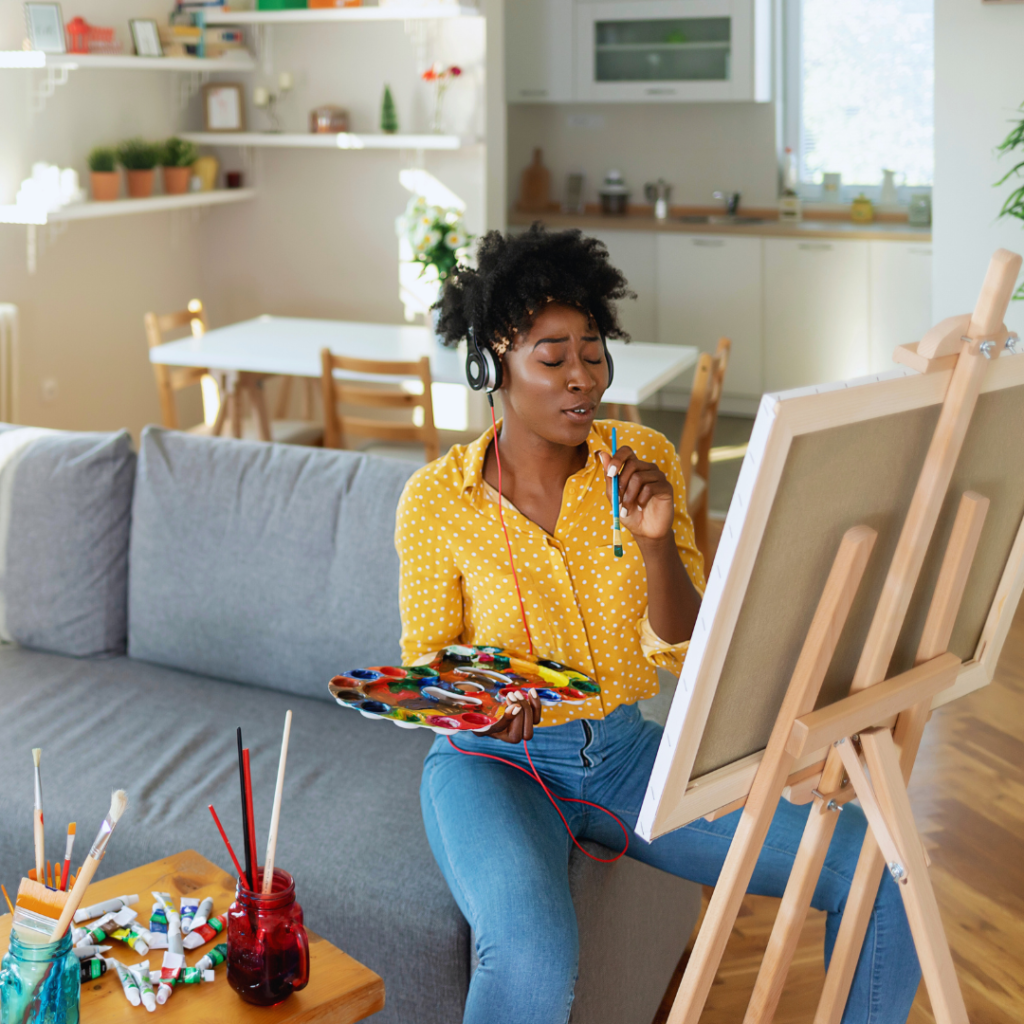
Anxiety can be a heavy burden, affecting many aspects of daily life. Creative expression offers a unique way to cope with anxiety, allowing individuals to channel their emotions into tangible forms of art, writing, or music. Engaging in creative activities not only provides an escape but also fosters self-discovery and healing.
When facing anxiety, traditional coping mechanisms may not always suffice. Incorporating creative practices can serve as an effective outlet, enabling individuals to process their feelings and experiences in a constructive manner. The act of creating can transform overwhelming thoughts into something tangible, making them easier to understand and manage.
In this journey of exploration, art, writing, and other forms of creativity can empower individuals to express what they may struggle to articulate. By embracing creativity, they can build resilience and find peace in the chaos, ultimately improving their mental health and well-being.
Understanding Anxiety and Its Impacts
Anxiety affects many individuals and can significantly influence mental and emotional well-being. Recognising the nature of anxiety and its consequences is essential for coping effectively.
The Science of Anxiety
Anxiety is a natural response to stress, often triggering the body’s fight-or-flight mechanism. This response leads to the release of hormones like cortisol. Elevated cortisol levels can cause various physical symptoms, such as increased heart rate and muscle tension.
Chronic anxiety can disrupt daily life, making tasks feel overwhelming. It often coexists with conditions such as depression, which can further complicate a person’s mental health. Research indicates that prolonged exposure to anxiety can lead to decreased resilience, affecting one’s ability to cope with stressors.
Mental Well-being and Anxiety
Anxiety has a profound impact on mental well-being. Individuals facing anxiety often experience persistent worry, leading to feelings of helplessness and isolation. The mind may become preoccupied with negative thoughts, creating a cycle that diminishes emotional well-being.
Effective coping strategies can enhance resilience against anxiety. Activities like mindfulness and creative expression often serve as outlets, allowing individuals to process their feelings in a constructive manner. These practices may reduce symptoms and improve overall mental health, addressing both anxiety and its associated effects.
Creative Expression as a Coping Mechanism
Creative expression serves as a powerful tool for managing anxiety, offering a pathway for emotional regulation and self-discovery. Engaging in artistic activities can help individuals articulate their feelings and navigate their thoughts.
Art Therapy and Self-Expression
Art therapy facilitates emotional expression through various artistic mediums, such as painting, drawing, and sculpture. This therapeutic approach allows individuals to communicate feelings that may be difficult to verbalise.
Artistic processes encourage a sense of agency and control, often easing anxiety symptoms. Research suggests that individuals who engage in art therapy report increased self-awareness and emotional resilience.
Moreover, art therapy can provide a safe space for vulnerability, fostering a connection between the artist and their emotions. This process often leads to insights and a sense of release, making it an effective coping mechanism.
The Role of Creative Activities
Creative activities encompass a wide variety of forms, including writing, music, and crafts. These practices offer an outlet for feelings and can divert one’s attention from anxiety triggers.
Engagement in activities like journaling or playing an instrument helps individuals process emotions. The act of creating can shift focus from worries to the present moment, enhancing mindfulness.
Furthermore, participating in group creative activities may foster social connections, reducing feelings of isolation. The interaction with others can also provide additional support, contributing to emotional well-being.
Mindfulness and Artistic Practices
Mindfulness practices integrated with creativity enhance emotional regulation. Engaging in mindful art, such as colouring or meditative drawing, fosters focus and relaxation.
These activities allow individuals to immerse themselves in the present, mitigating anxiety’s impact. Mindfulness encourages awareness of thoughts and feelings, promoting self-acceptance.
Incorporating mindfulness into artistic practices can produce a calming effect, reducing stress levels. Techniques such as focused breathing while creating can enhance the therapeutic benefits of art, making it a holistic coping mechanism.
Integrating Creativity into Daily Life
Incorporating creativity into daily life can significantly enhance emotional well-being and foster personal growth. Establishing routines that include creative practices can lead to better self-awareness and provide valuable emotional release.
Establishing a Creative Routine
Creating a consistent creative routine is essential for integrating creativity into daily life. Setting aside specific times for creative activities allows individuals to prioritise self-expression amidst their busy schedules.
For example, they could dedicate 15-30 minutes each day to journalling, painting, or playing an instrument. This act not only encourages discipline but also cultivates mindfulness, helping individuals focus on the present moment.
In addition, incorporating creativity into routine tasks can be beneficial. Listening to music while cooking or doodling during breaks can turn mundane moments into opportunities for self-expression. This multifaceted approach fosters emotional release and problem-solving skills, enhancing overall daily life.
Creative Outlets and Personal Development
Diverse creative outlets can play a pivotal role in personal development. Engaging in arts, crafts, music, or writing enables individuals to explore their emotions and thoughts. This exploration enhances self-awareness and encourages reflection on personal experiences.
Participating in group creative activities, such as workshops or classes, can also build connections and provide support. Collaborative efforts often lead to a sense of community, which can reduce feelings of isolation.
Furthermore, creativity promotes emotional resilience. As individuals tackle challenges through artistic expression, they develop problem-solving skills and adaptability. This not only supports emotional health but also contributes to continuous personal growth.
Expanding the Spectrum: Arts and Crafts
Engaging in arts and crafts provides a multitude of avenues for emotional healing and anxiety reduction. These creative outlets can foster relaxation, enhance emotional processing, and foster a sense of accomplishment.
Visual Arts and Emotional Processing
Visual arts, such as painting, drawing, and sculpture, offer powerful tools for emotional expression. Creating art allows individuals to externalise feelings that may be difficult to articulate verbally.
Benefits:
- Emotional Release: By engaging in art-making, individuals can explore and express complex emotions.
- Mindfulness: The focus required in visual arts encourages mindfulness, helping one to stay present and grounded.
Different mediums can also affect emotional expression. For example, vibrant colours in painting may evoke joy, while monochromatic schemes can reflect sadness or introspection.
Engaging with Movement and Music
Incorporating movement, such as dance, alongside music can enhance emotional well-being. Music therapy, combined with physical expression, facilitates deeper emotional connections and fosters relaxation.
Key Aspects:
- Rhythm and Movement: Dancing can serve as a form of physical release, alleviating tension and anxiety.
- Soundscapes: Different genres of music can influence mood, guiding listeners through a spectrum of emotions.
Combining these elements encourages a holistic approach to anxiety management. The rhythm of music and the freedom of movement can liberate thoughts and feelings, allowing for emotional healing.
Crafts and DIY Projects for Well-being
Crafting and DIY projects provide tangible outcomes that can enhance feelings of accomplishment. Engaging in hands-on activities, such as knitting, pottery, or photography, can serve as a therapeutic distraction from anxiety.
Craft Benefits:
- Focus and Concentration: These activities require sustained attention, drawing focus away from anxious thoughts.
- Sensory Engagement: Interacting with materials engages the senses, which can be grounding and calming.
Moreover, completing a project can instil a sense of pride and achievement, reinforcing self-worth. Simple tasks, like creating handmade gifts, can also enhance social connections, contributing positively to overall mental health.