
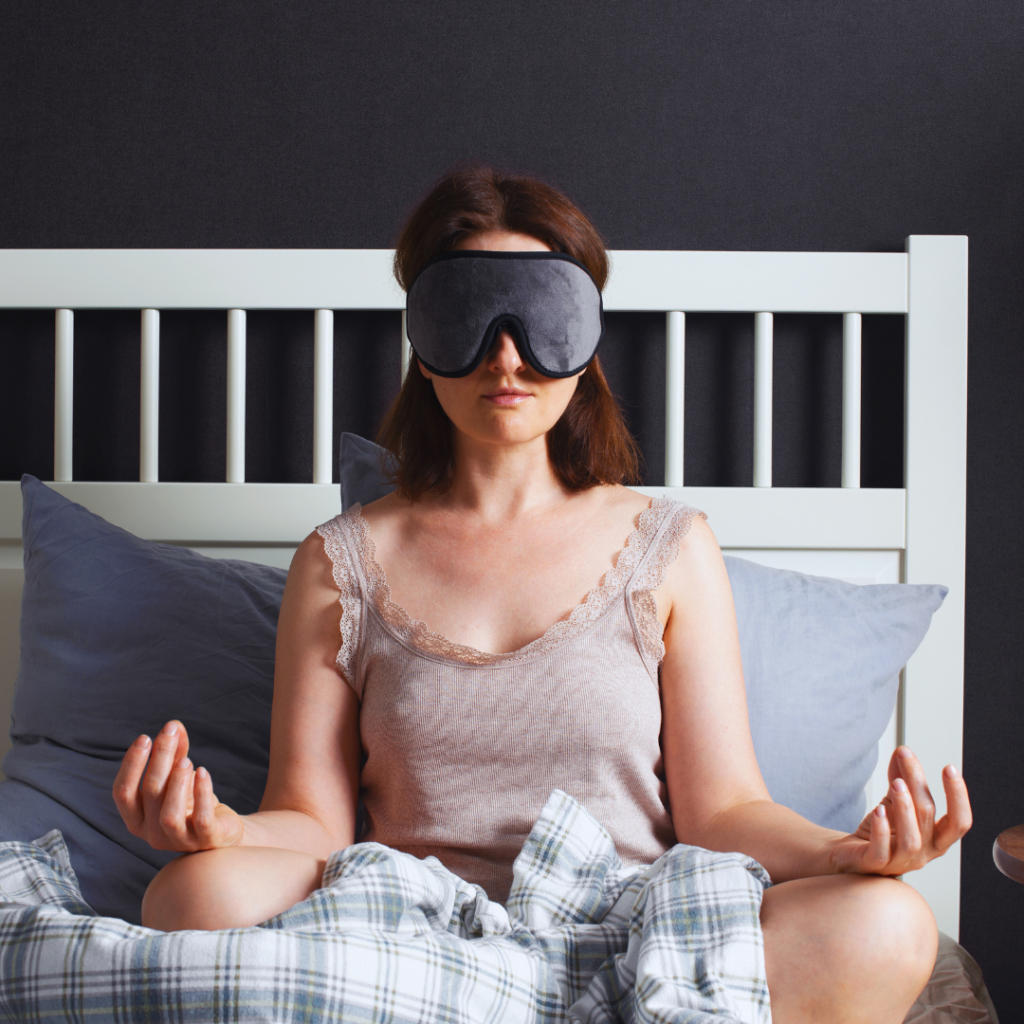
Adequate sleep is essential for maintaining overall health and wellbeing, yet many individuals struggle with achieving high-quality rest. Stress and anxiety are common barriers that disrupt sleep patterns, leading to a cycle of fatigue and decreased productivity. Incorporating relaxation techniques can significantly enhance sleep quality and enable individuals to unwind effectively before bedtime.
Various methods exist to promote relaxation and alleviate the mental pressures of the day. Techniques such as deep breathing, progressive muscle relaxation, and mindfulness meditation help calm the mind and body, creating a more conducive environment for sleep. By prioritising these practices, individuals can see improvements in their ability to fall asleep and stay asleep throughout the night.
Embracing relaxation techniques not only addresses immediate sleep concerns but also contributes to long-term benefits for mental and physical health. With better sleep, individuals may experience decreased levels of stress and anxiety, ultimately fostering a more balanced and fulfilling life. Investing time in these practices can lead to transformative changes in one’s sleep experience and overall wellbeing.
Foundations of Sleep Hygiene
Establishing effective sleep hygiene is essential for enhancing sleep quality. This involves understanding sleep cycles and creating an environment conducive to restful sleep. Both aspects significantly influence how quickly one falls asleep and the quality of rest obtained.
Understanding Sleep Cycles
Sleep occurs in cycles, typically lasting 90 minutes, consisting of several stages. These include REM (rapid eye movement) and non-REM sleep, vital for physical and mental restoration.
During REM, which usually happens towards the end of a cycle, dreaming occurs, and cognitive functions are consolidated. Non-REM stages include restorative processes that contribute to overall health.
To optimise sleep, one should aim for 7-9 hours of sleep per night, ensuring completion of multiple cycles. Disruptions, such as irregular sleep habits or late-night screen time, can hinder these cycles, reducing sleep quality.
Creating a Restful Environment
A calm and soothing sleep environment bolsters sleep quality. Key elements to consider include:
- Cool Temperature: A bedroom around 16-20°C (60-68°F) promotes better sleep.
- Lighting: Use blackout curtains to eliminate light. Dimming lights an hour before bed signals the body to prepare for sleep.
- Sound: White noise machines can mask disruptive background sounds, while soothing music may help some individuals relax.
Incorporating scents such as lavender or drinking herbal tea before bedtime can also enhance relaxation. Establishing a nightly routine that signals to the body that it is time to wind down is beneficial. This combined approach supports effective sleep hygiene and contributes to improved overall wellbeing.
Relaxation Strategies for Stress Management
Effective strategies for managing stress can greatly enhance one’s ability to relax and promote better sleep. Specific techniques like breathing exercises, progressive muscle relaxation, and guided imagery can assist individuals in achieving a calmer state.
Breathing Techniques
Breathing techniques, particularly the 4-7-8 breathing method, are powerful tools for managing stress. This technique involves inhaling for 4 seconds, holding the breath for 7 seconds, and exhaling slowly for 8 seconds. This process helps stimulate the relaxation response, allowing the body to release tension.
Deep breathing exercises can also enhance oxygen flow, which calms the nervous system. Practising such techniques helps shift focus away from stressors and encourages mindfulness. In moments of anxiety, taking a few minutes to engage in controlled breathing can effectively reduce physiological stress responses.
Progressive Muscle Relaxation
Progressive muscle relaxation (PMR) focuses on tensing and then relaxing different muscle groups throughout the body. This technique helps to highlight the contrast between tension and relaxation.
To practice PMR, individuals can start by tensing the muscles in their feet for a few seconds, then releasing them. Progressively moving through the body—from legs to arms to facial muscles—can lead to a deeper state of relaxation. This technique fosters awareness of bodily sensations, further aiding in stress reduction.
Guided Imagery and Visualisation
Guided imagery and visualisation involve creating calming mental images to foster relaxation. While practising this, an individual can close their eyes and picture a peaceful setting, such as a beach or quiet forest.
By engaging the senses—imagining sounds, smells, and sensations—individuals can immerse themselves in these peaceful scenarios. This technique serves as a mental escape from stressors and can significantly lower anxiety levels. Regular practice can enhance the effectiveness of guided imagery, contributing to overall stress management and improved sleep quality.
Mindfulness and Meditation Practice
Mindfulness and meditation practices play a significant role in enhancing sleep quality by reducing stress and promoting relaxation. These techniques can help individuals calm their minds and prepare for deep sleep.
Mindfulness-Based Stress Reduction
Mindfulness-Based Stress Reduction (MBSR) involves a structured programme that combines mindfulness meditation and yoga. It aims to increase awareness of the present moment, helping individuals recognise stressors and manage their reactions. Participants can learn techniques such as mindful breathing and body scans, which promote relaxation and reduce anxiety.
Research shows that MBSR can improve sleep quality considerably. By integrating mindfulness into daily routines, practitioners can develop resilience against stress, leading to more restful nights. The practice encourages self-awareness, allowing individuals to identify thoughts that may hinder sleep. With consistent practice, MBSR can foster a calm mind, essential for initiating and sustaining deep sleep.
Yoga Nidra and Non-Sleep Deep Rest
Yoga Nidra is a guided meditation practice that leads individuals into a profound state of relaxation, often referred to as “yogic sleep.” This technique promotes non-sleep deep rest (NSDR), offering similar benefits to actual sleep without requiring one to fall asleep. During a Yoga Nidra session, participants may lie down comfortably while following guided instructions to achieve a state of deep relaxation.
The practice focuses on relieving stress and tension while promoting mental clarity. Regular engagement in Yoga Nidra can lead to lower cortisol levels, encouraging a restful night’s sleep. Additionally, it assists in calming the nervous system and improving overall mental health. Incorporating Yoga Nidra into a sleep routine can significantly enhance relaxation, making it an effective tool for better sleep quality.