
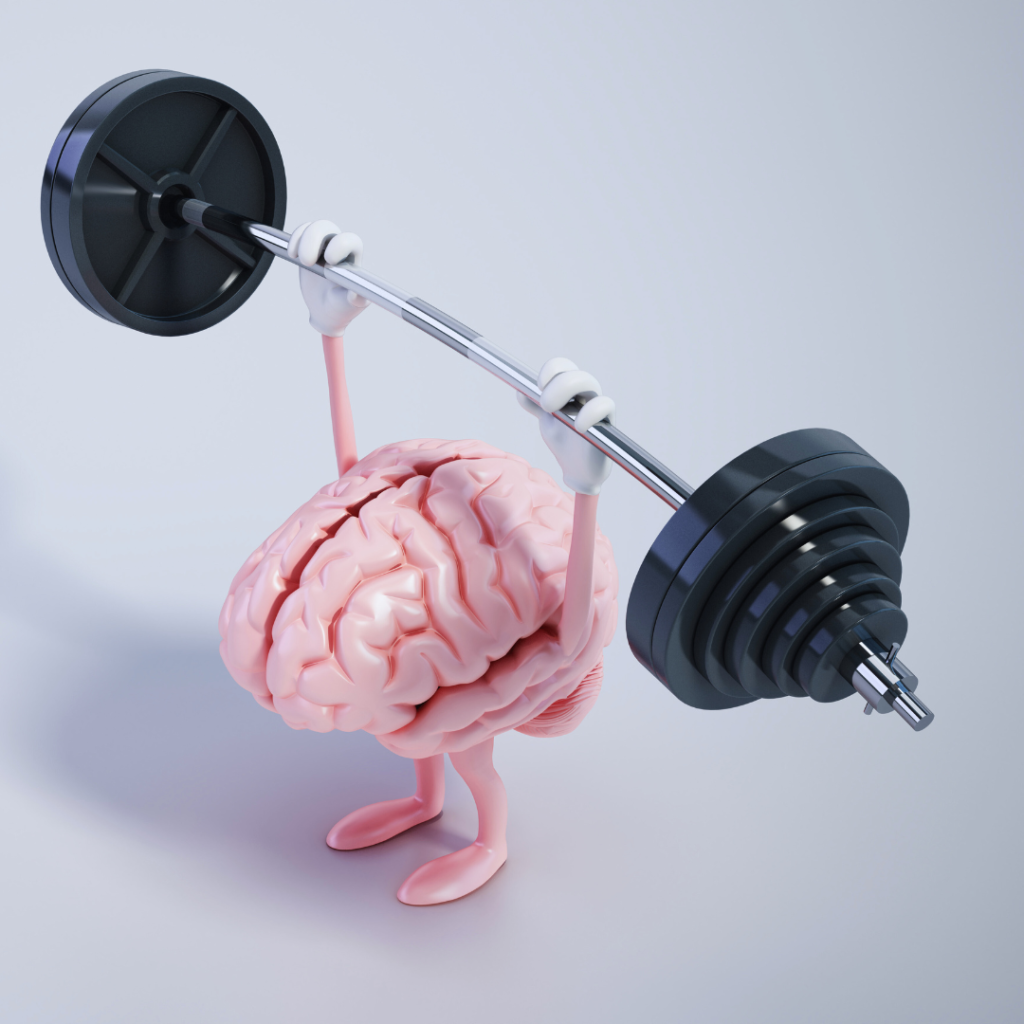
Exercise is often celebrated for its physical benefits, but its positive effects on brain health deserve equal attention. Regular physical activity can enhance cognitive function, improve mood, and support mental well-being. Engaging in exercise not only aids in maintaining a healthy body but also significantly contributes to a sharper, more resilient mind.
Research indicates that moderate exercise can stimulate the release of hormones and growth factors that support neurogenesis, the process of forming new neurons. As individuals engage in activities ranging from walking to high-intensity training, their brains respond positively, leading to enhanced memory and learning capacity. This connection between movement and mental clarity is crucial, particularly in an age where cognitive decline is a growing concern.
Additionally, exercise has been linked to reduced symptoms of anxiety and depression. The act of physical exertion boosts the production of endorphins, providing a natural mood lift while fostering resilience against stress. Incorporating regular exercise into daily routines can be a key factor in improving not just physical fitness but also mental agility and emotional stability.
Understanding Brain Health and Exercise
Exercise has a profound influence on brain health and function. It promotes neuroplasticity, enhances cognitive abilities, and supports overall mental wellbeing. Several types of exercise, including aerobic and resistance training, contribute uniquely to these effects.
The Science of Brain Health
Brain health encompasses various aspects, including cognitive function, emotional wellbeing, and the brain’s structural integrity. Neurotrophic factors like brain-derived neurotrophic factor (BDNF) play critical roles in supporting neuron survival and promoting neuroplasticity. Regular exercise stimulates the release of BDNF, which is essential for learning and memory.
Research indicates that exercise can increase brain volume, particularly in regions such as the cerebral cortex and hippocampus. These changes can contribute to improved memory and cognitive performance over time. Additionally, enhancing white matter integrity through exercise supports efficient communication between brain regions.
Roles of Exercise in Brain Function
Exercise enhances blood flow to the brain, delivering oxygen and nutrients critical for optimal function. This increased circulation supports the growth of new neurons and connections, vital for cognitive processes.
Aerobic exercise, in particular, is linked to improved cardiovascular health, which directly benefits brain function. Studies suggest that individuals engaging in regular aerobic activities experience better attention, quicker processing speeds, and improved problem-solving skills.
Resistance training also plays a significant role. It aids in the release of neurotrophic factors that protect against cognitive decline, especially as individuals age. By incorporating both aerobic and resistance training, individuals can optimise their brain health.
Types of Exercise and Their Effects on the Brain
Different forms of exercise have varied effects on the brain. Aerobic activities, such as running, swimming, and cycling, are shown to boost BDNF and enhance neuroplasticity. These exercises increase the brain’s resilience and adaptability to change.
Resistance training, involving weights or bodyweight exercises, positively impacts cognition by improving mood and reducing anxiety. It also contributes to neuroplasticity and cognitive reserve, thereby protecting the brain against age-related decline.
Incorporating a mix of both aerobic and resistance training is recommended for comprehensive brain health benefits. This combination ensures that individuals can maximise the protective effects on brain volume and overall cognitive function.
Exercise and Cognitive Benefits
Engaging in regular exercise can lead to significant improvements in cognitive abilities. Research highlights distinct benefits in memory, learning, executive function, and a reduction in cognitive decline. These impacts are crucial for maintaining cognitive fitness throughout life.
Memory and Learning Enhancement
Exercise positively influences memory and learning processes. Physical activity stimulates the production of brain-derived neurotrophic factor (BDNF), a protein essential for neurogenesis and synaptogenesis. These processes enhance the ability to form new memories and improve learning capabilities.
Studies have shown that individuals who engage in aerobic exercises, such as running or cycling, demonstrate better memory retention compared to less active peers. Furthermore, exercise encourages the brain’s plasticity, allowing for more efficient information processing. This combination of effects results in improved academic performance and better retention of newly acquired knowledge.
Focus and Executive Function Improvement
Regular physical activity enhances focus and executive function, which includes skills such as planning, decision-making, and problem-solving. Exercise increases blood flow to the brain, promoting the growth of new neurons and strengthening existing neural connections. This increase supports improved cognitive performance in tasks requiring sustained attention.
Research suggests that moderate-intensity exercise can lead to immediate improvements in cognitive tasks. Additionally, individuals who maintain an active lifestyle exhibit better multitasking abilities and improved reaction times. Such advancements are critical in both academic and professional environments, where executive function plays a vital role.
Reducing Cognitive Decline and Dementia Risks
Consistent exercise is associated with a reduced risk of cognitive decline and dementia, including Alzheimer’s disease. Physical activity triggers various biochemical responses that help protect brain cells from degeneration. These include enhanced blood circulation, improved insulin sensitivity, and reduced inflammation.
Studies reveal that older adults engaging in regular physical activity experience slower rates of cognitive decline. Exercise may also contribute to maintaining cognitive reserve, which refers to the brain’s resilience against ageing and pathology. While these habits are beneficial, individuals showing noticeable signs of memory loss or cognitive changes may benefit from additional support. For example, consulting a dementia care specialist New Jersey or elsewhere can provide personalized guidance, along with lifestyle interventions to help slow progression and improve overall quality of life.
Physical Activity and Mental Wellbeing
Physical activity serves as a vital component in enhancing mental health and wellbeing. It can positively influence mood, help manage anxiety and depression, and improve overall quality of life by addressing chronic diseases.
Influence on Mood and Stress Reduction
Exercise has a direct impact on mood by releasing endorphins and other neurotransmitters. These biochemical changes can lead to feelings of happiness and relaxation.
Physical activity also aids in reducing stress hormones like cortisol. Regular engagement in exercise can lower stress levels, promoting a sense of calm.
Studies reveal that even short bouts of exercise can yield mood-improving effects. Activities such as walking, running, or dancing can provide immediate benefits, making them effective tools for enhancing emotional wellbeing.
Exercise’s Role in Managing Anxiety and Depression
Research indicates that exercise can be as effective as medication in some cases for managing anxiety and depression. Regular physical activity helps by increasing serotonin levels and promoting neural growth.
Cardiovascular exercises, in particular, can significantly improve symptoms for individuals with anxiety disorders. These exercises improve blood flow to the brain, which can enhance cognitive function and emotional regulation.
Engaging in group activities, such as team sports, can also provide social interaction, further alleviating feelings of loneliness. This social aspect can build a support network, contributing to improved mental health.
Impact on Chronic Disease and Overall Quality of Life
Physical activity plays a crucial role in reducing the risk of chronic diseases such as heart disease and diabetes. Regular exercise improves blood pressure and insulin sensitivity, leading to better health outcomes.
Additionally, maintaining physical fitness enhances quality of life. Individuals who engage in regular exercise tend to report higher satisfaction levels and improved wellbeing.
Incorporating activity into daily routines fosters a healthier lifestyle. This foundation can help individuals feel more energetic and engaged in their lives, further supporting mental health.
Implementing Effective Exercise Routines
Establishing an effective exercise routine tailored to individual needs can significantly enhance brain health. This involves recognising the specific requirements based on age, fitness levels, and integrating physical activity into daily routines.
Guidelines for Different Age Groups and Fitness Levels
Exercise recommendations can vary widely based on age and existing fitness levels. The American College of Sports Medicine suggests that:
- Children and adolescents should aim for at least 60 minutes of moderate to vigorous physical activity daily. Activities can include running, swimming, or dancing to promote cardiovascular and cognitive benefits.
- Adults are encouraged to engage in at least 150 minutes of moderate-intensity exercise per week. This could include brisk walking or yoga, which supports both physical and mental health.
- For older adults, incorporating balance and flexibility exercises, such as tai chi, into routines can enhance stability and reduce fall risk. A personal trainer can provide tailored programmes based on individual capabilities.
Incorporating Exercise into Daily Life
Integrating physical activity into daily life can be straightforward and beneficial. Simple strategies include:
- Walking or cycling to work instead of driving. This not only promotes an active lifestyle but also enhances mood and cognitive function.
- Incorporating light-intensity physical activities during the day, such as taking short breaks for stretching or using stairs instead of lifts.
- Setting specific times for exercise sessions each week can instil a sense of routine. Joining group classes for activities like yoga or dance can provide both social interaction and motivation.
- Using technology, such as fitness trackers, can encourage accountability and track progress. Regular check-ins with a personal trainer can also help refine exercise strategies for sustained brain health benefits.