
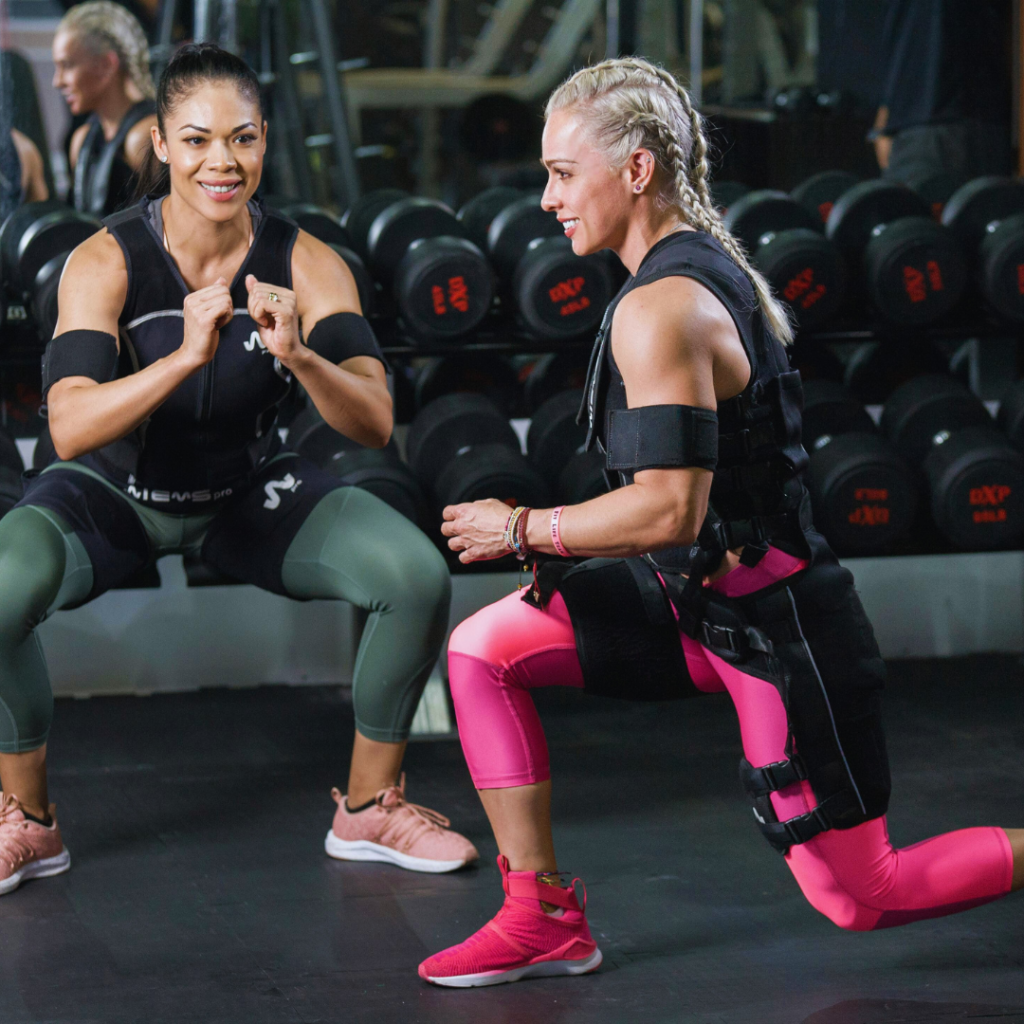
High-Intensity Interval Training (HIIT) and strength training are two popular exercise modalities, each with unique benefits. HIIT is effective for improving cardiovascular health in a time-efficient manner, while strength training is essential for building and maintaining muscle mass. Understanding the distinct advantages of both can help individuals tailor their fitness routines to meet specific goals.
HIIT engages the heart and lungs through short bursts of intense activity followed by rest or lower-intensity periods. This approach not only enhances endurance but also promotes fat loss. In contrast, strength training focuses on resistance exercises aimed at building strength and increasing muscle size. Both methods contribute to overall fitness but serve different purposes in a well-rounded exercise regimen.
Choosing between HIIT and strength training can depend on personal fitness goals. Those aiming for weight loss and improved cardiovascular fitness may prefer HIIT, whereas individuals looking to develop strength and muscle mass might opt for resistance training. Recognising these differences can guide individuals toward a more effective workout strategy that aligns with their health objectives.
Understanding HIIT
High-Intensity Interval Training (HIIT) is a dynamic exercise approach that alternates between short bursts of intense activity and periods of rest or low intensity. This method can significantly enhance cardiovascular health, boost metabolism, and assist in fat loss. Key aspects of HIIT include its principles, benefits, and its specific effects on fat-burning and cardiovascular fitness.
Principles of High-Intensity Interval Training
HIIT involves performing exercises at maximum effort for a brief duration, followed by a short recovery period. This cycle often includes a 20-30 second sprint, followed by 10-30 seconds of rest.
Some common formats for HIIT workouts are:
- Tabata: 20 seconds of all-out effort followed by 10 seconds of rest, repeated for four minutes.
- 60/30: 60 seconds of high-intensity activity followed by 30 seconds of rest.
The approach significantly elevates heart rate, enhancing oxygen consumption and promoting both aerobic and anaerobic fitness. As a result, individuals can achieve better results in shorter timeframes compared to traditional steady-state cardio workouts.
Benefits of HIIT Workouts
HIIT workouts offer numerous benefits that appeal to many fitness enthusiasts. Primarily, they promote substantial calorie burn in a condensed time frame. A 30-minute HIIT session can burn as many calories as an hour of moderate exercise.
Furthermore, HIIT enhances cardiovascular health by improving blood circulation and heart function. Studies also indicate that HIIT can lead to improved metabolism, allowing the body to continue burning calories post-exercise through an effect known as excess post-exercise oxygen consumption (EPOC).
Additionally, HIIT can be tailored to fit various fitness goals, making it accessible for people at different fitness levels.
HIIT for Fat Loss and Cardiovascular Fitness
HIIT is particularly effective for fat loss due to its ability to increase metabolism and promote fat burning. The high-intensity intervals raise heart rate significantly, helping the body tap into fat reserves as a primary energy source.
While exercise is a great way to burn fat, some people find that lifestyle changes alone are not enough to reach their goals. In these cases, a structured program can provide the extra support needed to make lasting progress. Working with professionals who provide medical weight loss in Franklin, TN can help individuals combine clinical guidance with their fitness routines. These programs often focus on sustainable habits rather than quick fixes. This approach helps people manage their weight safely while they build muscle and improve their overall fitness.
Compared to traditional steady-state cardio, HIIT can lead to greater reductions in body fat percentage. Research suggests individuals incorporating HIIT into their routine may see improved insulin sensitivity and overall health.
Many individuals experience dramatic weight loss through HIIT and other intensive exercise routines. While this can lead to impressive results in terms of fat reduction and overall fitness, it often leaves behind sagging skin, particularly around areas like the abdomen, arms, or thighs.
Fortunately, modern surgical options such as a body lift in Houston, or elsewhere, can effectively address these concerns by removing excess skin and tightening underlying tissues. These procedures help restore smoother, firmer contours, allowing individuals to fully enjoy the results of their weight loss. As a result, body lifts have become a common choice for those seeking to complement their fitness achievements with a more toned and proportionate appearance.
For people who want to focus specifically on their midsection, other targeted procedures are also available. An abdominoplasty is a common choice for people who have loose skin and stretched muscles after a major weight change. This surgery removes the extra tissue and tightens the abdominal wall to create a flatter stomach. If you live in Illinois, consulting with a surgeon about a tummy tuck in Chicago can help you understand your options. This step helps complete a physical transformation when diet and exercise are not enough to tone the midsection.
While body contouring surgeries target the torso and limbs, many people also notice changes in their face and neck after losing weight. Sometimes, stubborn fat under the chin remains even when the rest of the body is toned. Non-surgical options like kybella Houston treatments can help address this specific area. This injectable treatment breaks down fat cells under the jawline to create a more defined profile. It is a simple way to refine the neck area without the need for surgery or long recovery times.
Moreover, the varied intensity of HIIT supports improved cardiovascular fitness, providing benefits for heart health. The combination of aerobic and anaerobic efforts stimulates the cardiovascular system while building endurance and strength.
Exploring Strength Training
Strength training encompasses various methods aimed at improving muscle strength, mass, and bone density through resistance exercises. The following sections highlight the key elements, the impact on muscle and bone density, and effective equipment options for strength workouts.
Key Elements of Strength Training
Key elements of strength training include progressive overload, which involves gradually increasing the weight or resistance to stimulate muscle growth. Techniques such as compound exercises engage multiple muscle groups, enhancing functional strength.
Additionally, focusing on form and technique is crucial for preventing injuries and maximising effectiveness. Common strength training methods include using dumbbells, barbells, and kettlebells. Each piece of equipment has unique benefits, enabling variations in workout routines that challenge the muscles differently.
Regularly incorporating strength training into a fitness regimen can promote muscle endurance, improve overall fitness levels, and support weight management goals.
Strength Training for Muscle and Bone Density
Strength training plays a significant role in increasing lean muscle mass and enhancing bone density. As one age, the risk of osteoporosis rises, making strength training vital for maintaining bone strength and health.
The process of building muscle occurs through the tearing and repairing of muscle fibres during resistance exercises. This not only promotes hypertrophy but also increases muscle strength, thereby supporting everyday functions.
Additionally, as muscle mass increases, so does metabolic rate, which aids in fat loss and overall body composition. Evidence indicates that individuals engaging in regular strength training experience improved bone mineral density, reducing the likelihood of fractures and other age-related issues.
Effective Equipment for Strength Workouts
Selecting the right equipment is essential for an effective strength training regimen.
- Dumbbells: are versatile, allowing for a range of exercises targeting various muscle groups. They enhance stability when performing movements such as bicep curls or overhead presses.
- Barbells: excel in compound lifts like the squat or deadlift, enabling the use of heavier weights for more significant muscle engagement. They are ideal for progressive overload, a fundamental principle of muscle building.
- Kettlebells: offer unique benefits, promoting dynamic strength and endurance through swinging and lifting movements. Each piece of equipment contributes uniquely to a well-rounded strength training programme, accommodating various fitness levels and goals.
HIIT and Strength Training Combined
Combining HIIT and strength training can enhance a fitness journey by improving body composition and maximising weight and fat loss. This approach harnesses the benefits of both training styles, leading to improved performance and muscle mass while optimising recovery times.
Integrating HIIT and Strength Training Routines
To successfully integrate HIIT and strength training, it’s crucial to plan a balanced workout routine. One effective method is alternating days of HIIT and strength training. For example, strength training sessions could focus on specific muscle groups, while HIIT can incorporate bodyweight exercises for cardiovascular benefits.
When designing the routine, consider using circuit training that blends both styles. This could entail performing strength exercises followed by short bursts of HIIT, such as jumping jacks or burpees. Keeping sessions to 30–45 minutes ensures intense workouts without excessive fatigue.
Maximising Results Through Combined Workouts
Maximising results from combined workouts involves strategic scheduling and recovery. It’s advisable to allow adequate recovery time between high-intensity sessions. This can prevent burnout and improve overall effectiveness.
Incorporating variety is also essential. A person may structure workouts with compound movements like squats and deadlifts, mixed with HIIT intervals. Such a routine boosts metabolic rate while promoting muscle retention and fat loss. A personal trainer can provide tailored advice to ensure workouts align with individual goals and capabilities.