
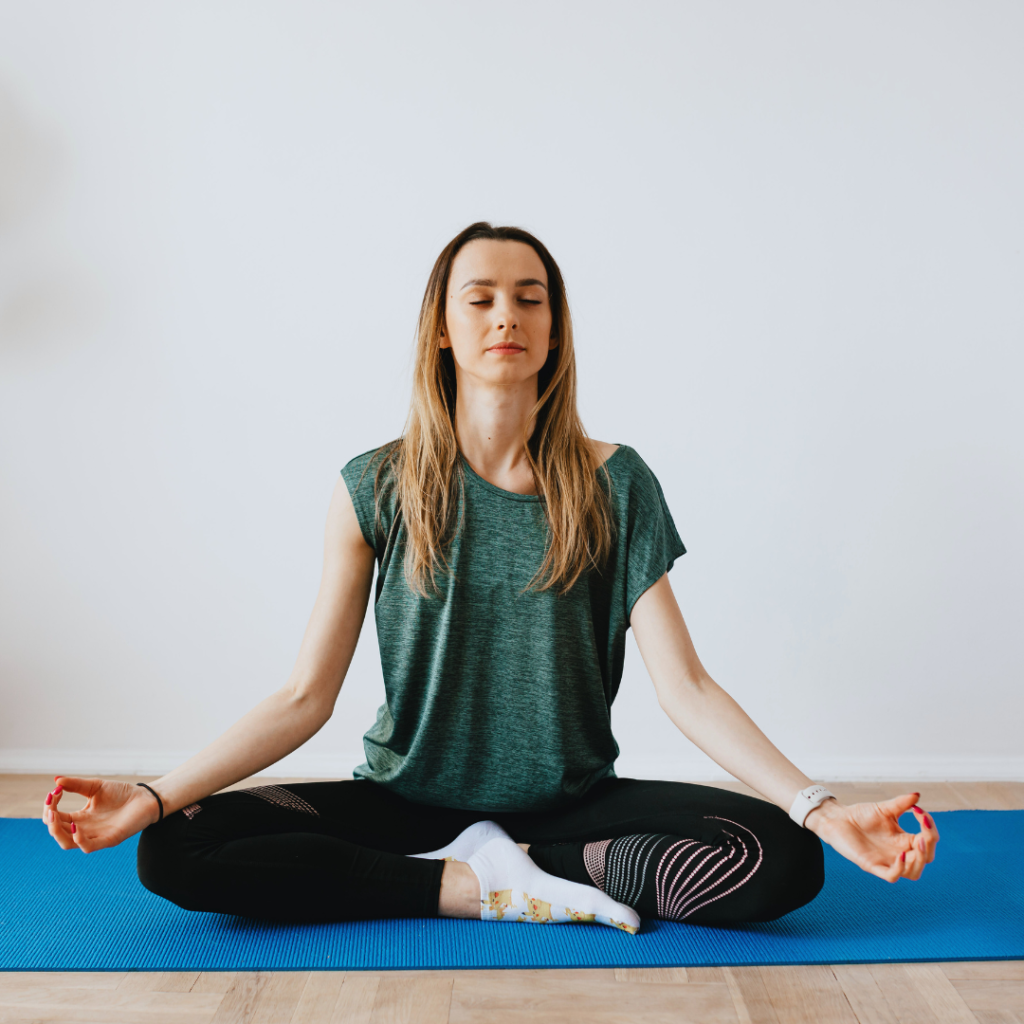
Mindfulness helps manage everyday stress by encouraging a focus on the present moment, reducing the impact of overwhelming thoughts about past or future events. By training the mind to observe experiences without immediate reaction, mindfulness allows individuals to respond to stress more calmly and clearly.
This practice can be integrated into daily routines with simple techniques, making it accessible and practical for reducing tension and improving mental clarity. Stressful situations become easier to handle when one cultivates awareness and acceptance rather than avoidance or resistance.
People who regularly practice mindfulness often report increased emotional resilience and a greater ability to maintain focus under pressure. This enhances overall well-being by breaking cycles of anxiety and rumination that contribute to persistent stress.
The Science Behind Mindfulness And Stress Reduction
Mindfulness influences multiple biological and psychological processes that affect stress and mental health. It alters brain activity, reduces harmful stress hormones, and builds resilience against chronic stress and anxiety.
How Stress Affects The Mind And Body
Stress triggers the nervous system, activating the fight-or-flight response. This releases adrenaline and cortisol, which prepare the body for immediate action. Prolonged exposure to these hormones can impair cognitive function, memory, and emotional regulation.
Chronic stress raises the risk of anxiety and depression by disrupting neural circuits involved in mood control. It also weakens the immune system and increases inflammation. The physical consequences include muscle tension, headaches, and cardiovascular problems.
Understanding these effects highlights why managing stress is crucial for protecting both mental and physical health.
Neuroscience Of Mindfulness
Mindfulness practices engage the prefrontal cortex, which governs attention, decision-making, and emotional regulation. Regular mindfulness strengthens this area while reducing activity in the amygdala, the brain’s fear centre linked to anxiety and stress responses.
Functional MRI studies show increased connectivity between brain regions that promote calmness and resilience. This allows individuals to observe stressors non-judgmentally, lowering automatic reactions to triggers.
Such neural changes contribute to an improved ability to manage anxiety and reduce emotional reactivity.
Impact On Stress Hormones
Mindfulness consistently lowers levels of cortisol, the primary stress hormone linked to prolonged anxiety and poor immune function. Studies demonstrate that after mindfulness sessions, participants have significantly reduced cortisol in their saliva and blood.
The reduction in adrenaline complements this effect by calming the nervous system and decreasing heart rate. Lower hormone levels translate into better sleep, less muscle tension, and reduced feelings of overwhelm.
This chemical balance supports faster recovery from stressful events and fewer stress-related health complaints.
Long-Term Benefits For Mental Health
Long-term mindfulness practice builds resilience, helping people better cope with recurring stressors. It reduces symptoms of depression and anxiety by enhancing self-awareness and emotional regulation.
Mindfulness also protects neural plasticity, preserving healthy brain function even under sustained stress. This supports sustained mental well-being and decreases the likelihood of burnout.
By fostering a stable mental state, mindfulness contributes to improved quality of life and reduced dependence on medication or therapy for stress-related conditions.
Core Mindfulness Techniques For Daily Stress Management
Effective mindfulness practices focus on anchoring attention in the present moment while easing physical and mental tension. Specific exercises target both awareness and relaxation to reduce stress responses.
Mindful Breathing
Mindful breathing is a foundational mindfulness technique used to direct focus away from stress triggers and into the present moment. It involves observing the natural flow of breath without attempting to control it.
This practice encourages slow, deep breaths, which can activate the body’s relaxation response. By noting the sensation of air entering and leaving the nostrils or the rise and fall of the abdomen, individuals develop concentration and calm.
Regular mindful breathing exercises can be done anytime, requiring no equipment. Consistency helps strengthen the ability to manage sudden feelings of stress.
Body Scan Meditation
Body scan meditation involves moving attention systematically through different parts of the body. It is a mindfulness meditation that helps individuals notice bodily sensations, tension, or discomfort without judgment.
Starting from the toes and moving upward, or vice versa, the practitioner observes areas of tightness or relaxation. This technique can highlight stress-related holding patterns and promote awareness of physical states.
The body scan aids in reconnecting with physical sensations in the present moment, facilitating clearer stress recognition and improved stress management through mindful awareness.
Guided Meditations
Guided meditations combine verbal instructions with mindfulness exercises to focus attention on specific themes or sensations. An instructor or recording leads the listener through a sequence of mindfulness meditation steps.
These often include breathing exercises, body scan components, or visualisation techniques to enhance relaxation and focus. They provide structure for beginners and support the development of a consistent mindfulness practice.
Guided meditations can be accessed via apps or online platforms and are useful for managing daily stress by building mindful awareness and reducing reactivity.
Progressive Muscle Relaxation
Progressive muscle relaxation is a mindfulness exercise that alternates between tensing and relaxing muscle groups. It helps increase bodily awareness and counteracts the physical effects of stress.
This relaxation technique progresses from the feet to the head or vice versa, systematically releasing tension held in muscles. By focusing on the change between tension and relaxation, individuals gain insight into stress patterns held in their bodies.
Practising progressive muscle relaxation regularly helps reduce muscle stiffness and fosters a state of physical calm, serving as an effective tool in everyday stress management.
Integrating Mindfulness Into Everyday Life
Mindfulness can be practised through simple daily activities that focus attention and increase awareness. These practices help ground individuals in the present moment and improve body awareness, which reduces stress and improves emotional regulation.
Mindful Walking And Movement
Mindful walking involves paying close attention to each step and bodily sensations while moving. The person notices how the feet touch the ground, the rhythm of their breath, and the feeling of muscles engaging and relaxing. It transforms walking from an automatic action into a deliberate, calming experience.
Adding mindful movement to daily routines encourages awareness of posture and physical sensations. This could include gentle stretching or yoga, where focus remains on the breath and muscle tension. These practices develop a deeper connection with the body, promoting relaxation and reducing stress.
Mindful Eating In Daily Routines
Mindful eating requires focusing completely on the experience of eating. The individual pays attention to the smell, texture, taste, and appearance of food, as well as hunger and fullness cues from the body. This slows down eating and prevents overeating caused by distracted or emotional eating.
Practising mindful eating supports better digestion and appreciation of food. It also strengthens present-moment awareness and discourages turning to food for emotional comfort. Making mindful eating a part of daily meals can positively impact overall well-being and stress levels.
Gratitude Journaling
Gratitude journaling involves writing down things one is thankful for regularly. This practice shifts focus from stressors to positive aspects of life, improving mood and perspective. It also cultivates a habit of recognising small moments of joy and value.
Keeping a gratitude journal can be done daily or weekly and requires only a few minutes. Writing three specific items per entry is effective. This simple act encourages mindfulness by drawing attention to positive experiences that might otherwise be overlooked.
Self-Compassion Practices
Self-compassion focuses on treating oneself with kindness during times of difficulty. It involves recognising personal suffering without harsh judgment and responding with understanding. This reduces self-criticism, which can increase stress.
Practices include repeating affirmations, mindful breathing during challenging moments, and acknowledging emotions without avoidance. Developing self-compassion supports emotional resilience and fosters a more balanced response to everyday stressors.
Building Resilience And Long-Term Wellbeing Through Mindfulness
Mindfulness practice, such as Mindfulness-Based Stress Reduction (MBSR), strengthens emotional control, self-awareness, and physical health. It also addresses chronic stress and sleep issues, contributing to enduring resilience and well-being.
Developing Emotional Regulation
Mindfulness helps individuals recognise and manage emotions without immediate reaction. By observing feelings with non-judgmental awareness, people reduce impulsivity and anxiety. This regulation prevents emotional escalation that can worsen stress.
Consistent practice builds resilience by allowing calm responses during stressful events. For example, mindfulness encourages pausing before reacting, which can lower cortisol levels. Over time, this improves mood stability and reduces vulnerability to stress-related disorders.
Enhancing Self-Awareness
Mindfulness practices increase awareness of thoughts, emotions, and bodily sensations. This self-awareness enables identification of stress triggers early, facilitating proactive coping strategies.
People practising mindfulness often report clearer thinking and better decision-making. Greater insight into habitual reaction patterns supports behaviour change, making stress management more effective and sustainable.
Supporting Physical Health
Regular mindfulness practice positively impacts physical health markers linked to stress. Studies show reductions in blood pressure and improved heart rate variability, which lower risk factors for heart disease.
Mindfulness also encourages healthier lifestyle choices by promoting body awareness and reducing emotional eating. These benefits, combined with stress reduction, support long-term physical wellbeing.
Tackling Chronic Stress And Insomnia
Mindfulness-Based Stress Reduction (MBSR) has been shown to alleviate chronic stress by shifting focus from anxiety-provoking thoughts to present moment awareness. This shift reduces the intensity and frequency of stress responses.
For insomnia, mindfulness helps by calming the mind and improving sleep quality. Techniques such as mindful breathing lower hyperarousal, a common cause of sleep difficulties. This promotes restorative sleep without medication.