
Many people want to eat healthily but assume that cooking nutritious meals at home is time-consuming or complicated. It doesn’t have to be that way. Easy, healthy meals are possible for anyone to prepare with simple ingredients and straightforward methods.
These recipes focus on balance, using fresh vegetables, lean proteins, and whole grains without requiring advanced cooking skills. They are designed to fit into busy lifestyles, making it easier to make better food choices every day.
By following practical tips and uncomplicated recipes, anyone can enjoy meals that support their health without stress or long hours in the kitchen. This approach removes common barriers to cooking at home and encourages consistency.
Essential Principles of Easy Healthy Home Cooking
Healthy cooking at home means balancing nutrition, selecting good ingredients, and using straightforward techniques. Each step should promote well-being without requiring complex skills or equipment.
Key Nutritional Guidelines
A balanced meal should include a variety of nutrients: protein, carbohydrates, fats, vitamins, and minerals. Protein sources like lean meat, beans, or tofu help build and repair tissues. Whole grains supply energy and fibre, which support digestion.
Adding plenty of vegetables increases vitamin and mineral intake while keeping meals low in calories. Limiting added sugars and salt reduces the risk of chronic diseases. Portion control avoids overeating, aiding in weight management.
Hydration is also key, with water preferred over sugary drinks. Keeping meals colourful and varied naturally improves the nutrient profile of home-cooked dishes.
Choosing the Right Ingredients
Opting for fresh, minimally processed ingredients ensures maximum nutritional value. Seasonal vegetables and fruits tend to be more affordable and contain higher nutrient levels. Whole grains like brown rice and oats offer more fibre and nutrients than refined alternatives.
When choosing protein, lean cuts and plant-based options provide healthy fats and essential amino acids. Cooking oils such as olive or canola oil are better choices than butter or lard due to their heart-healthy fats.
Reading labels helps avoid hidden sugars, salts, and unhealthy fats. Simple swaps, like unsweetened yoghurt or low-sodium stock, improve overall meal quality.
Simple Cooking Methods for Beginners
The easiest cooking methods retain nutrients without adding unnecessary fats or calories. Steaming, boiling, grilling, and baking require minimal oil and preserve the natural flavours of ingredients.
Using non-stick pans and cooking sprays prevents sticking while reducing fat. Stir-frying vegetables quickly over high heat locks in vitamins and texture. Batch cooking and meal prepping save time and ensure balanced meals throughout the week.
Avoid deep frying and heavy sauces, which add calories and unhealthy fats. Learning basic knife skills and using herbs or spices can enhance flavour without complicating recipes.
Quick and Delicious Healthy Meals Anyone Can Make
Preparation time and nutritional value matter when selecting meals. Focusing on balanced ingredients and simple cooking methods ensures efficiency without sacrificing health. Meals designed to be quick often incorporate fresh produce, lean proteins, and whole grains.
Fast Breakfast Ideas
Breakfast can be both nutritious and quick. Options like overnight oats soaked in milk or yoghurt with fruits and nuts provide fibre and protein.
Another choice is scrambled eggs with spinach and tomatoes cooked in under 10 minutes. This supplies essential vitamins and healthy fats.
Smoothies made from frozen berries, banana, spinach, and a protein source like Greek yoghurt are ready in minutes. They are ideal for those on the go and offer antioxidants and calcium.
Simple Lunch Solutions
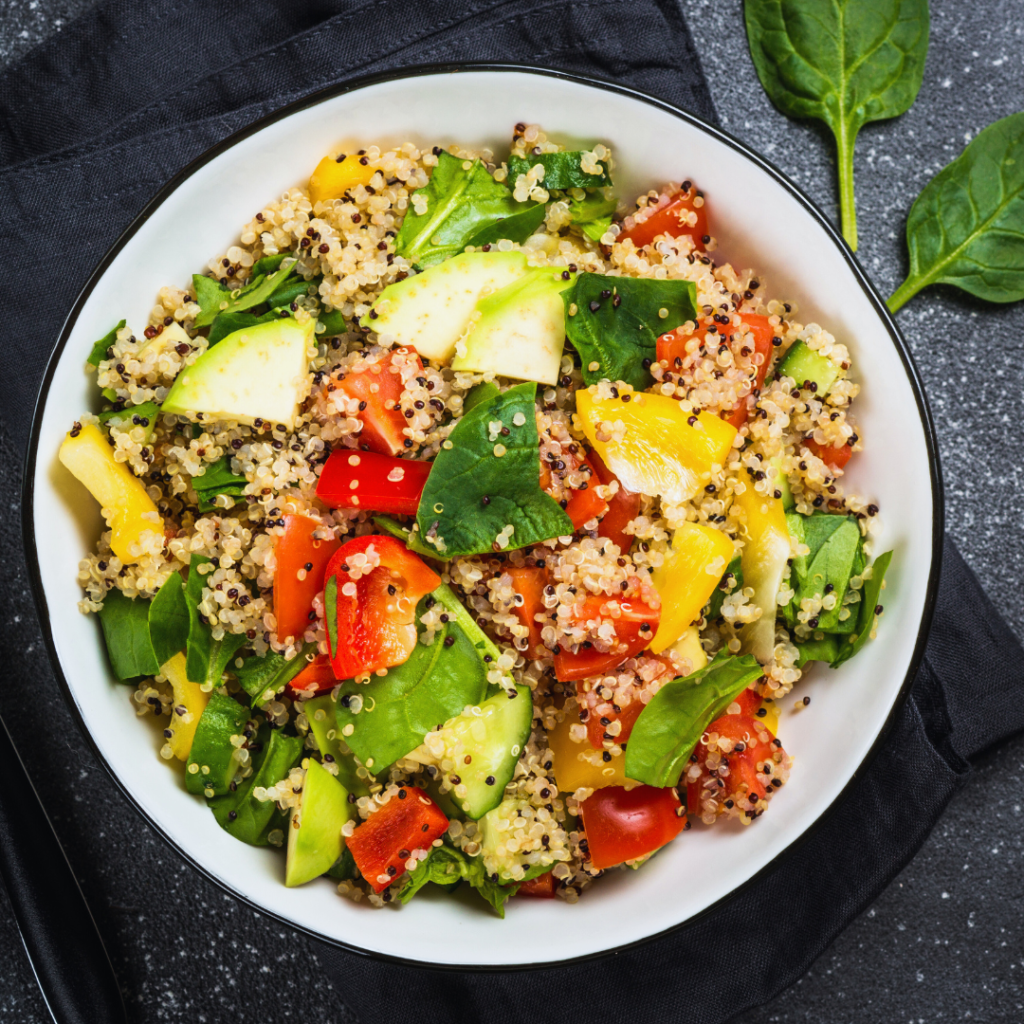
Lunches that require minimal cooking save time while offering balanced nutrition. A quinoa salad mixed with chickpeas, cucumber, cherry tomatoes, and a lemon dressing is high in fibre and plant protein.
Wraps filled with grilled chicken, avocado, and mixed greens can be assembled quickly. The healthy fats from avocado and lean protein help sustain energy.
Soup is another easy choice; lentil or vegetable soups can be batch-cooked and reheated. They provide warming, fibre-rich meals without long preparation.
Quick Dinner Inspirations
Quick dinners focus on simple cooking with fresh ingredients. Stir-fries with colourful vegetables and tofu or lean meats can be prepared in under 20 minutes. Using a pre-chopped vegetable mix speeds this up further.
Sheet-pan meals combining salmon, sweet potatoes, and broccoli require minimal effort but deliver omega-3 fatty acids and vitamins. Roasting concentrates flavours to avoid extra sauces.
Pasta dishes like whole-wheat spaghetti with tomato, garlic, basil, and a sprinkle of parmesan are straightforward and filling without excessive calories.
Time-Saving Snacks and Sides
Healthy snacks can be prepped ahead of time to complement meals or fill gaps between eating. Vegetable sticks paired with hummus provide fibre and protein quickly.
A handful of mixed nuts or seeds offers healthy fats and energy in small portions. Greek yoghurt with a drizzle of honey also makes a good protein-rich snack.
Side dishes, such as simple mixed greens with olive oil or steamed green beans with lemon, add nutrients without lengthy preparation. These pair well with quick dinners or lunches.
Inspiring Healthy Recipes with Everyday Ingredients
Simple ingredients found in most kitchens can create nutritious and satisfying meals. These dishes focus on balance and accessible components to help anyone prepare healthy food at home.
Hearty Plant-Based Options
Plant-based meals often combine vegetables, grains, and legumes to provide essential nutrients and fibre. A popular option is a vegetable stir-fry using frozen mixed vegetables, garlic, ginger, and soy sauce served over brown rice. This dish delivers vitamins and minerals with minimal prep time.
Another easy recipe is a lentil and spinach stew. Lentils are rich in protein and fibre, while spinach adds iron and antioxidants. Cooking these with onions, tomatoes, and mild spices yields a warming meal suitable for all seasons.
Protein-Packed Dishes
Including quality protein ensures meals support muscle function and fullness. Chicken breast, eggs, and fish are straightforward staples that cook quickly and pair well with fresh or frozen vegetables.
One example is grilled chicken with steamed broccoli and sweet potato. This combination is high in protein, fibre, and complex carbohydrates. Alternatively, a vegetable omelette with tomatoes, peppers, and onions offers essential nutrients and can be made in under 15 minutes.
Creative Uses for Chickpeas
Chickpeas are versatile, affordable, and nutritious, offering protein, fibre, and vitamins. They can be roasted with spices for a crunchy snack or added to salads and curries for extra texture.
Hummus is a simple spread made by blending chickpeas, tahini, lemon juice, and garlic. It can be used as a dip or sandwich filler. Chickpeas also work well in one-pot dishes like chickpea and vegetable tagine, providing a hearty and wholesome meal.
Tips for Maintaining a Healthy Cooking Routine
A reliable cooking routine relies on effective planning and staying motivated over time. Both aspects encourage consistency and prevent last-minute, less healthy choices.
Meal Planning and Preparation
Meal planning starts with selecting recipes that balance nutrition and ease. Using a weekly template for breakfast, lunch, and dinner cuts down on decision fatigue.
Batch cooking is a practical approach. Preparing staples like grilled chicken, roasted vegetables, or cooked grains in advance speeds up meal assembly during busy days.
Keeping a well-stocked pantry with essentials like canned beans, frozen greens, and whole grains helps maintain variety without frequent shopping trips.
A simple checklist for the week can include:
| Task | Frequency |
| Plan meals | Weekly |
| Grocery shop | Twice a week |
| Batch cook staples | Once or twice a week |
Staying Motivated and Consistent
Setting realistic goals supports long-term success with healthy cooking. Starting with two or three new recipes per week makes adaptation manageable.
Tracking progress by noting favourite dishes and improvements in health or energy levels can reinforce motivation.
Involving family or friends in meal preparation increases accountability and enjoyment. Sharing cooking tasks also reduces effort.
Using reminders on phones or calendars to prep meals or shop prevents lapses in routine, especially on busy days.
Celebrating small wins, like successfully cooking a new dish, helps maintain a positive attitude towards cooking regularly.